



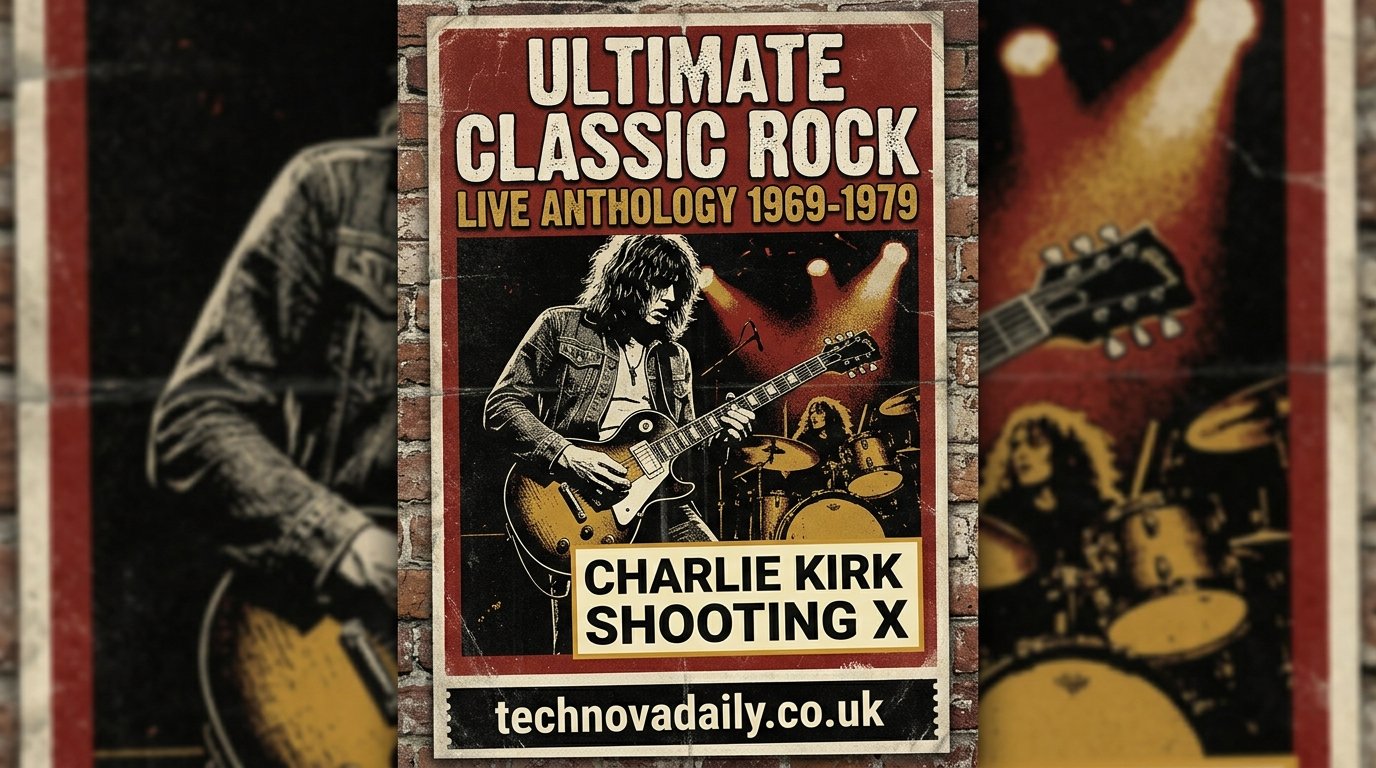
Classic rock isn’t just a radio format or a streaming playlist category. It’s a living musical tradition that continues to shape how new generations discover guitar-driven music, arena anthems, and the artists who built the foundation of modern rock and roll. From Led Zeppelin’s thunderous riffs to Fleetwood Mac’s harmonies and Pink Floyd’s atmospheric soundscapes, classic rock represents roughly three decades of musical innovation that still dominates concert tours, vinyl sales, and music documentaries today.
What makes classic rock “ultimate” isn’t a single definition but rather the cumulative weight of its influence. It’s the genre that taught generations how to play guitar, how to write a hook that lasts fifty years, and how to fill a stadium with nothing but sound and stage presence. This article explores what defines classic rock, why it endures, the artists and eras that shaped it, and how fans today continue to celebrate this irreplaceable chapter of music history.
What Defines Classic Rock as a Genre
Classic rock generally refers to rock music produced between the mid-1960s and the early 1990s, though the exact boundaries shift depending on who you ask. It typically includes album-oriented rock, hard rock, blues rock, and parts of progressive rock and Southern rock, unified by guitar-centered instrumentation, strong vocal melodies, and an emphasis on live performance. Bands like The Rolling Stones, Led Zeppelin, Deep Purple, and The Who set the template that countless artists would follow for decades.
The term itself emerged from radio programming in the 1980s, when stations began branding themselves around a curated catalog of proven hits rather than current releases. This format quickly became one of the most successful in American radio history because it tapped into nostalgia while still appealing to listeners who simply loved well-crafted rock songs. Over time, classic rock stopped being a marketing label and became a cultural identity, one that fans wear proudly through concert t-shirts, vinyl collections, and decades-long loyalty to bands they grew up with.
What separates classic rock from other rock subgenres is its emphasis on musicianship and song structure. Extended guitar solos, layered harmonies, and concept albums were not just accepted but expected. Albums like Pink Floyd’s “The Dark Side of the Moon” or The Eagles’ “Hotel California” weren’t simply collections of singles; they were cohesive artistic statements meant to be experienced from start to finish, a format that still influences how serious rock albums are constructed today.
The Golden Era: 1960s Through 1980s
The roots of classic rock trace back to the British Invasion and the American garage rock scene of the mid-1960s, when bands began experimenting with blues, folk, and psychedelic influences. The Beatles and The Rolling Stones pushed pop songwriting into more ambitious territory, while artists like Jimi Hendrix and Cream redefined what electric guitar could do. By the late 1960s, rock had matured from simple dance music into a serious art form capable of social commentary and experimentation.
The 1970s is widely considered the peak decade for classic rock, producing an extraordinary concentration of influential albums and bands. Led Zeppelin, Queen, Aerosmith, Fleetwood Mac, and Bruce Springsteen all released defining work during this period. Progressive rock acts like Rush, Yes, and Genesis expanded the genre’s complexity, while Southern rock bands such as Lynyrd Skynyrd and The Allman Brothers Band gave it a distinctly American twang. This decade also saw the rise of arena rock, as bands like Boston, Journey, and Kiss built massive followings around spectacle and anthemic choruses.
The 1980s brought a shift toward more polished production and the rise of hair metal and stadium rock acts like Van Halen, Bon Jovi, and Guns N’ Roses, who are often included under the classic rock umbrella today even though they emerged later. This decade also marked the genre’s commercial peak in terms of album sales and MTV exposure, cementing visual identity alongside sound. By the time grunge and alternative rock took over in the early 1990s, classic rock had already built a catalog so deep and influential that it would never truly fade from cultural relevance.
Legendary Bands and Artists Who Shaped the Sound
No discussion of classic rock is complete without acknowledging the artists who became its pillars. Led Zeppelin remains arguably the most influential hard rock band of all time, blending blues, folk, and heavy guitar work into songs like “Stairway to Heaven” and “Kashmir” that are still studied by musicians today. The Rolling Stones, often called the greatest rock and roll band in the world, have maintained relevance across six decades through relentless touring and a catalog rooted in blues authenticity.
Pink Floyd took rock in a more conceptual and experimental direction, using studio technology and philosophical lyrics to create immersive listening experiences rather than just songs. Queen, led by Freddie Mercury’s unmatched vocal range and theatrical stage presence, blended opera, glam, and hard rock into a sound that remains instantly recognizable. Meanwhile, artists like Bob Seger, Tom Petty, and Bruce Springsteen represented a more grounded, working-class voice within the genre, writing songs about ordinary life that resonated deeply with American audiences.
Guitar heroes also played a defining role in shaping classic rock’s identity. Jimi Hendrix, Eric Clapton, Jimmy Page, and later Eddie Van Halen pushed the boundaries of what the electric guitar could express, inspiring generations of musicians to pick up the instrument. These artists weren’t just performers; they were innovators whose techniques, tones, and songwriting approaches became the textbook from which modern rock guitarists still learn.
Why Classic Rock Still Resonates With New Generations
One of the most remarkable aspects of classic rock is how it continues to attract young listeners decades after its peak. Streaming data consistently shows that songs by Queen, Fleetwood Mac, and Led Zeppelin perform exceptionally well among younger audiences, often driven by viral moments on social media platforms like TikTok. A single clip featuring a classic rock track can reintroduce an entire catalog to millions of new fans almost overnight, proving that great songwriting transcends generational gaps.
Part of this enduring appeal comes from the authenticity associated with the era. In a music landscape increasingly shaped by digital production and algorithm-driven trends, classic rock represents a return to live instrumentation, real vocal performances, and songs built around genuine musical skill. Many younger listeners are drawn to this rawness, finding it refreshing compared to heavily processed modern pop production.
Streaming platforms have also made classic rock more accessible than ever before. Where previous generations relied on radio stations or physical record collections, today’s listeners can explore entire discographies instantly, discovering deep cuts and lesser-known albums alongside the hits. This accessibility has helped classic rock maintain cultural relevance, ensuring that bands formed half a century ago continue to gain new fans rather than fading into nostalgia-only territory.
The Role of Classic Rock Radio and Media Outlets
Classic rock radio stations remain a powerful force in keeping this music alive, particularly in the United States, where the format consistently ranks among the most listened-to radio genres. These stations rely on a carefully curated rotation of proven hits, balancing well-known anthems with occasional deep cuts to keep loyal listeners engaged. The format’s longevity speaks to how deeply ingrained these songs have become in everyday cultural life, from road trips to backyard barbecues.
Beyond radio, digital media platforms dedicated to classic rock have become essential resources for fans seeking news, history, and analysis. Sites covering classic rock news, anniversary retrospectives, album rankings, and artist interviews help maintain an active community around music that technically stopped being “new” decades ago. These outlets often blend journalism with nostalgia, offering context about how albums were made, the conflicts behind famous breakups, and updates on surviving members’ current projects and tours.
Podcasts have also become a significant part of how classic rock content reaches audiences today. Long-form audio formats allow for deeper storytelling than traditional radio segments, giving listeners detailed accounts of recording sessions, behind-the-scenes band drama, and analysis of why certain albums became so influential. This combination of traditional radio, digital media, and podcasting ensures that classic rock remains discoverable across multiple formats and listening habits.
Iconic Albums That Defined an Era
Certain albums within the classic rock canon are considered essential listening, representing the genre at its creative peak. Led Zeppelin IV, released in 1971, remains one of the best-selling albums in history and features “Stairway to Heaven,” a song often cited as the most-played rock song on American radio. Its blend of acoustic folk elements and heavy electric riffs showcased the band’s range and cemented their status as genre-defining innovators.
Pink Floyd’s “The Dark Side of the Moon” took a different approach, using conceptual themes around mental health, mortality, and modern life to create a cohesive listening experience rather than a collection of singles. Its commercial success was staggering, spending over 900 weeks on the Billboard 200 chart, a record that demonstrates just how deeply it resonated with listeners across decades. Similarly, Fleetwood Mac’s “Rumours” turned personal heartbreak and band turmoil into one of the most emotionally honest and commercially successful albums ever recorded.
Other essential records include The Eagles’ “Hotel California,” known for its haunting title track and intricate guitar work, and Boston’s self-titled debut, which became a blueprint for arena rock production. These albums didn’t just sell well upon release; they continue to influence how artists across genres approach album sequencing, production quality, and thematic cohesion, proving that great classic rock records function as complete artistic statements rather than disposable entertainment.
Classic Rock Concerts, Tours, and Live Performance Culture
Live performance has always been central to classic rock’s identity, and that hasn’t changed even as the original artists age. Many legendary bands continue touring today, often with farewell tours that draw massive crowds eager for one last chance to experience the music live. The Rolling Stones, for instance, have continued performing well into their eighties, demonstrating remarkable endurance and a fan base willing to travel significant distances for tickets.
Tribute acts and cover bands have also become a significant part of classic rock’s live performance culture, particularly as original lineups shrink due to retirement or the passing of band members. These shows allow audiences, including younger fans who never had the chance to see original lineups perform, to experience the energy and spectacle associated with classic rock concerts. Festivals dedicated to the genre have also grown in popularity, often combining legacy acts with younger bands influenced by classic rock’s sound.
The economic impact of classic rock touring remains substantial, with reunion tours and anniversary shows consistently ranking among the highest-grossing concerts each year. This demonstrates that demand for live classic rock experiences hasn’t diminished despite the music’s age. For many fans, attending a classic rock concert isn’t just entertainment; it’s a chance to connect with a piece of cultural history that shaped their formative years or that they’ve come to appreciate through their parents’ record collections.
The Influence of Classic Rock on Modern Music
Classic rock’s fingerprints are visible across nearly every modern rock subgenre, from alternative rock to metal to indie revival bands. Many contemporary artists openly cite Led Zeppelin, Pink Floyd, and Black Sabbath as foundational influences, incorporating elements of their riff structures, vocal phrasing, and production techniques into modern recordings. This direct lineage demonstrates that classic rock isn’t a closed chapter but an ongoing source of creative inspiration.
Guitar-based songwriting techniques pioneered during the classic rock era also remain standard practice in music education today. Aspiring guitarists frequently learn to play through classic rock songs precisely because they teach essential techniques in chord progression, solo construction, and dynamic control. Music schools and online tutorials consistently use tracks from this era as foundational learning material, ensuring that the genre’s technical vocabulary continues passing to new generations of musicians.
Sampling and interpolation have further extended classic rock’s reach into genres far removed from its original context, including hip-hop and electronic music. Producers frequently sample iconic riffs or drum breaks from classic rock recordings, introducing these sounds to audiences who might never seek out the original tracks independently. This cross-genre influence reinforces classic rock’s status not as a relic but as an active, evolving part of the broader musical landscape.
How Fans Continue to Celebrate Classic Rock Today
Vinyl record sales have experienced a dramatic resurgence over the past decade, and classic rock albums consistently rank among the best-selling titles in this format. Collectors value the tactile experience of vinyl alongside the superior audio quality many associate with analog recordings from this era. Record stores specializing in classic rock often report that reissues and remastered editions sell particularly well, indicating sustained demand from both longtime fans and newer collectors.
Documentary filmmaking has also played a significant role in keeping classic rock relevant, with streaming platforms regularly releasing in-depth profiles on bands and individual artists from this era. These documentaries often introduce younger audiences to the human stories behind the music, covering everything from creative breakthroughs to personal struggles and band conflicts. The popularity of these films demonstrates an ongoing appetite for understanding not just the music but the people and circumstances that created it.
Online communities dedicated to classic rock continue to thrive across social media platforms, forums, and fan sites, where enthusiasts share trivia, rare recordings, and personal stories about discovering this music. These communities help preserve institutional knowledge about the genre, ensuring accurate historical context survives even as the original artists age or pass away. Whether through streaming playlists, concert attendance, or simple conversation, fans continue finding new ways to celebrate music that, despite its age, still feels essential to understanding rock and roll’s evolution.
