



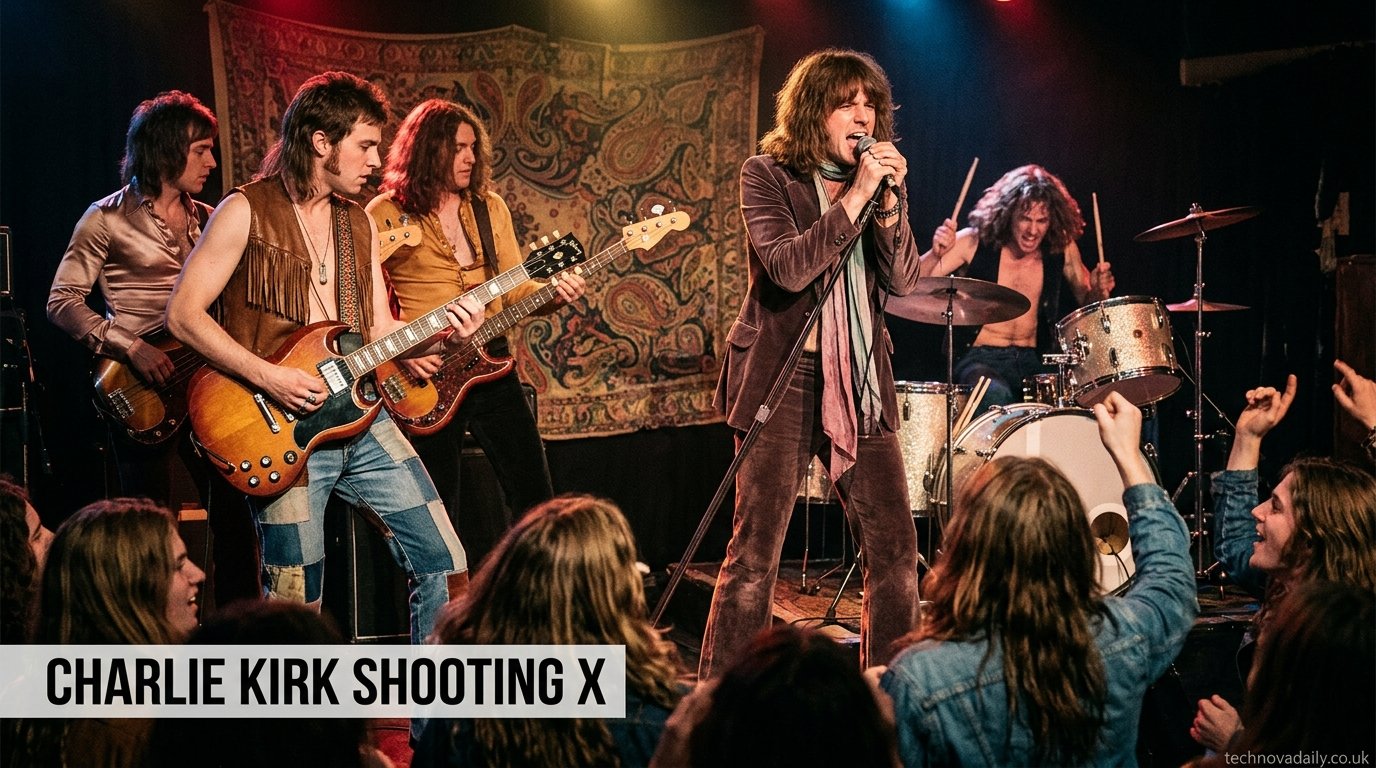
The 1970s stand out as one of the richest periods in the history of popular music. While the 1960s gave rock and roll its identity, the 1970s pushed the genre into bold new directions, splitting it into dozens of subgenres and producing some of the most influential bands the world has ever known. From the thunderous riffs of hard rock to the theatrical grandeur of progressive rock, the decade offered something for every kind of listener. Even today, classic rock radio stations, streaming playlists, and vinyl collectors keep the music of this era alive, proving that great songwriting and musicianship never really go out of style.
Understanding why 70s rock bands still matter requires looking beyond nostalgia. These artists shaped the technical standards of live performance, studio production, and album storytelling that modern musicians still study and borrow from. This article explores the major movements, iconic bands, and lasting cultural impact of 70s rock, offering a clear and trustworthy overview for both casual fans and serious music historians.
The Rise of Classic Rock in the 1970s
The term “classic rock” is often used loosely today, but its roots trace directly back to the bands that dominated FM radio in the early-to-mid 1970s. Groups such as Led Zeppelin, Deep Purple, and The Rolling Stones built on the blues-rock foundations laid in the previous decade, but they expanded song lengths, increased instrumental complexity, and embraced louder, more powerful production techniques. This shift was partly driven by improvements in studio technology, which allowed bands to layer guitars, experiment with multitrack recording, and create a fuller, more dynamic sound than earlier rock records.
Radio also played a major role in shaping the classic rock identity. As FM stations grew in popularity, they favored album-oriented rock over short, single-driven formats, giving bands more freedom to release longer tracks and concept-driven records. This environment allowed guitar solos, extended jams, and ambitious arrangements to thrive, something that became a defining feature of the decade’s sound. Listeners today still associate this era with authenticity and musicianship, partly because the music was created with fewer commercial restrictions than in later decades.
The classic rock label has endured because the songs from this period combined strong melodies with technical skill, a balance that has proven difficult to replicate consistently in later eras. Even younger audiences discovering these bands through streaming services often comment on how fresh and powerful the recordings still sound, a testament to the craftsmanship behind the music.
Hard Rock and Heavy Metal Pioneers
Hard rock and heavy metal as we understand them today were essentially born in the early 1970s. Bands like Black Sabbath, Deep Purple, and Led Zeppelin took the blues-based rock sound and made it heavier, darker, and more aggressive. Black Sabbath in particular is widely credited with laying the groundwork for heavy metal, using detuned guitars, ominous lyrical themes, and slower, doom-laden riffs that contrasted sharply with the upbeat rock of the previous decade.
As the decade progressed, this heavier sound continued to evolve. Bands such as AC/DC, formed in 1973, brought a rawer, more stripped-down energy that emphasized rhythm and groove over technical complexity. Meanwhile, acts like Judas Priest began refining the genre further, introducing twin-guitar harmonies and a more polished metal sound that would influence the genre throughout the following decades. These bands were not just musically influential; they also shaped the visual and performance culture of rock, from stage pyrotechnics to leather-clad fashion.
What makes this subgenre particularly important for understanding 70s rock bands is its lasting influence on modern music. Many contemporary metal and hard rock acts still cite these pioneers as direct inspirations, and the riffs created during this period remain some of the most recognizable in rock history. This enduring legacy is a strong indicator of the genuine artistic value these bands brought to the table, rather than simple commercial success.
Progressive Rock and Musical Experimentation
While hard rock leaned into raw power, progressive rock pushed in the opposite direction, prioritizing complexity, musicianship, and conceptual storytelling. Bands such as Pink Floyd, Yes, Genesis, and King Crimson treated albums as complete artistic statements rather than collections of singles. Pink Floyd’s work during this period, including their exploration of themes around alienation and the human condition, demonstrated how rock music could tackle serious subject matter while remaining commercially successful.
Progressive rock bands often incorporated elements of classical music, jazz, and even electronic experimentation into their work. Yes, for example, became known for intricate time signature changes and extended compositions that sometimes filled an entire side of a vinyl record. Genesis, particularly during the Peter Gabriel era, combined theatrical stage performances with complex musical arrangements, creating a live experience that went far beyond a standard rock concert.
This genre required a high level of technical skill from musicians, and many prog rock band members had formal musical training or extensive instrumental backgrounds. This expertise is part of why progressive rock continues to be studied by music students and respected by critics, even though it never achieved the same mainstream radio dominance as more straightforward rock styles. The genre’s emphasis on artistic ambition over commercial formula remains one of its most distinctive and admired qualities.
Southern Rock and the American Sound
While British bands often dominated discussions of 70s rock, American Southern rock developed its own distinct identity during this period. Bands like Lynyrd Skynyrd, The Allman Brothers Band, and ZZ Top blended rock with blues, country, and boogie influences to create a sound deeply rooted in Southern American culture. This genre emphasized guitar interplay, often featuring multiple lead guitarists trading solos within the same song, a technique that became a signature element of the style.
Lynyrd Skynyrd’s music captured a strong sense of regional identity, often referencing Southern landscapes, values, and lifestyle in their lyrics. The Allman Brothers Band, meanwhile, leaned more heavily into extended jam sessions and blues-based improvisation, drawing comparisons to jazz musicians in terms of their live performance approach. These bands built reputations not just through studio albums but through extensive touring, where their improvisational skills could truly shine.
Southern rock’s influence extended beyond music into broader American culture, helping shape perceptions of Southern identity during a period of significant social change in the United States. The genre’s emphasis on authenticity, instrumental skill, and storytelling lyrics has kept it relevant, with many contemporary country and rock artists citing these bands as foundational influences on their own work.
Glam Rock and Theatrical Performance
Glam rock introduced a different kind of energy to the 70s rock landscape, one centered on visual spectacle, androgynous fashion, and infectious pop sensibilities layered over rock instrumentation. David Bowie, through his Ziggy Stardust persona, became perhaps the most influential figure in this movement, blending science fiction storytelling with glam aesthetics and a constantly evolving musical style. His willingness to reinvent himself artistically set a template that countless musicians would follow in later decades.
T. Rex, led by Marc Bolan, helped popularize the glam sound in the United Kingdom with catchy, riff-driven songs that combined simplicity with stylistic flair. Across the Atlantic, bands like Kiss took glam rock’s theatrical elements to new extremes, incorporating elaborate makeup, costumes, and stage shows that turned concerts into full sensory experiences. This theatrical approach helped rock music compete with the growing spectacle of other entertainment forms during the decade.
Glam rock’s emphasis on identity, performance, and visual storytelling had a lasting impact on how artists approached image and branding in popular music. Many later movements, from new wave to glam metal in the 1980s, drew directly from the visual language established during this period, reinforcing glam rock’s status as a genuinely influential artistic movement rather than a passing trend.
Punk Rock and the Rebellion Against Excess
By the mid-to-late 1970s, a counter-movement emerged in direct response to what many viewed as the excessive complexity and self-indulgence of progressive rock and arena rock. Punk rock, led by bands such as the Ramones, Sex Pistols, and The Clash, stripped rock music back to its raw essentials: short songs, simple chord structures, and aggressive, direct lyrics. This back-to-basics approach was as much a cultural statement as a musical one, rejecting the perceived elitism of more polished rock acts.
The Ramones, often credited with helping launch the punk movement in New York, focused on fast tempos and stripped-down arrangements that prioritized energy over technical complexity. In the United Kingdom, the Sex Pistols brought punk into mainstream consciousness through provocative lyrics and an openly confrontational attitude toward the music industry and broader society. The Clash expanded on punk’s foundations by incorporating reggae, ska, and political commentary, demonstrating that the genre could evolve beyond its initial minimalist approach.
Punk rock’s influence on music culture extended well beyond the bands themselves, inspiring independent record labels, DIY production approaches, and a broader anti-establishment ethos that continues to influence alternative and indie music today. The genre proved that commercial polish was not a prerequisite for cultural impact, a lesson that remains relevant for musicians working outside mainstream industry structures.
Iconic Albums That Shaped the Decade
No discussion of 70s rock bands would be complete without acknowledging the landmark albums that defined the era’s artistic peak. Records such as Led Zeppelin IV, Pink Floyd’s exploration of mental health and societal pressure, and Fleetwood Mac’s deeply personal Rumours showcased how album-oriented rock could combine commercial success with genuine artistic depth. These records were not simply collections of hit singles but cohesive listening experiences designed to be appreciated from start to finish.
Concept albums became particularly significant during this period, with bands using extended narratives or thematic consistency to explore complex ideas across an entire record. This approach required significant compositional skill and a clear artistic vision, elevating rock albums to a status comparable with other respected art forms. The technical achievement involved in producing these records, often using analog recording equipment with significant creative constraints, adds to their lasting reputation among audio engineers and producers studying the era.
These albums continue to top critics’ lists and influence contemporary artists, demonstrating their enduring quality beyond simple nostalgia. Their consistent presence in retrospective rankings and continued strong sales on vinyl reissues serve as practical evidence of their lasting cultural and artistic value.
The Influence of 70s Rock on Modern Music
The impact of 70s rock bands extends far beyond their original era, shaping countless genres and artists that followed. Modern hard rock and metal bands frequently cite Black Sabbath and Led Zeppelin as foundational influences, while contemporary indie and alternative artists often point to punk pioneers like the Ramones and The Clash as inspirations for their stripped-down, authentic approach to songwriting. This cross-generational influence demonstrates the genuine musical innovation that occurred during this decade.
Sampling and direct musical quotation also keep 70s rock relevant in contemporary music production, particularly in hip-hop and electronic genres, where drum breaks and guitar riffs from this era are frequently repurposed. This practice introduces classic rock sounds to entirely new audiences who may have no direct connection to the original recordings, further extending the legacy of these bands. Streaming data consistently shows strong, steady listenership for 70s rock catalogs, indicating organic rather than purely nostalgic appeal.
Beyond direct musical influence, the production techniques, songwriting structures, and even band management approaches pioneered during this decade continue to inform how the music industry operates today. Understanding 70s rock, therefore, offers valuable insight not just into music history but into the broader development of the modern entertainment industry.
How to Start Exploring 70s Rock Music Today
For listeners new to this era, approaching 70s rock can feel overwhelming given the sheer volume of influential bands and subgenres. A practical starting point involves focusing on one subgenre at a time rather than attempting to absorb the entire decade at once. Beginning with classic rock staples from bands like Led Zeppelin or The Rolling Stones provides a solid foundation before branching into more specialized styles like progressive rock or punk.
Streaming platforms have made this exploration significantly easier than in previous decades, offering curated playlists organized by subgenre, mood, or historical significance. Many platforms also provide artist biographies and related recommendations, helping new listeners understand the connections between different bands and movements. Supplementing streaming exploration with documentaries or well-researched music history books can deepen understanding of the cultural context behind the music, enriching the overall listening experience.
For those interested in a more immersive experience, attending tribute concerts, visiting rock history museums, or exploring vinyl record collecting can provide deeper engagement with this musical era. These activities connect listeners not just to the music itself but to the broader cultural movement that shaped one of the most creatively significant periods in rock history.
Final Thoughts on the Legacy of 70s Rock Bands
The 1970s remain a benchmark decade for rock music, producing an extraordinary range of styles and an unprecedented level of artistic ambition. From the heavy riffs of early metal pioneers to the theatrical spectacle of glam rock and the raw energy of punk, this era demonstrated rock music’s remarkable versatility and staying power. The bands that emerged during this period did not simply create popular music; they expanded what rock could express artistically, culturally, and technically.
Decades later, the continued relevance of 70s rock bands in streaming charts, film soundtracks, and modern musical influences confirms that this was far more than a passing trend. Their music continues to resonate because it combined genuine craftsmanship with bold artistic risk-taking, qualities that remain timeless regardless of changing musical fashions. For anyone seeking to understand the foundations of modern rock and popular music more broadly, the 1970s remain an essential and rewarding starting point.
