



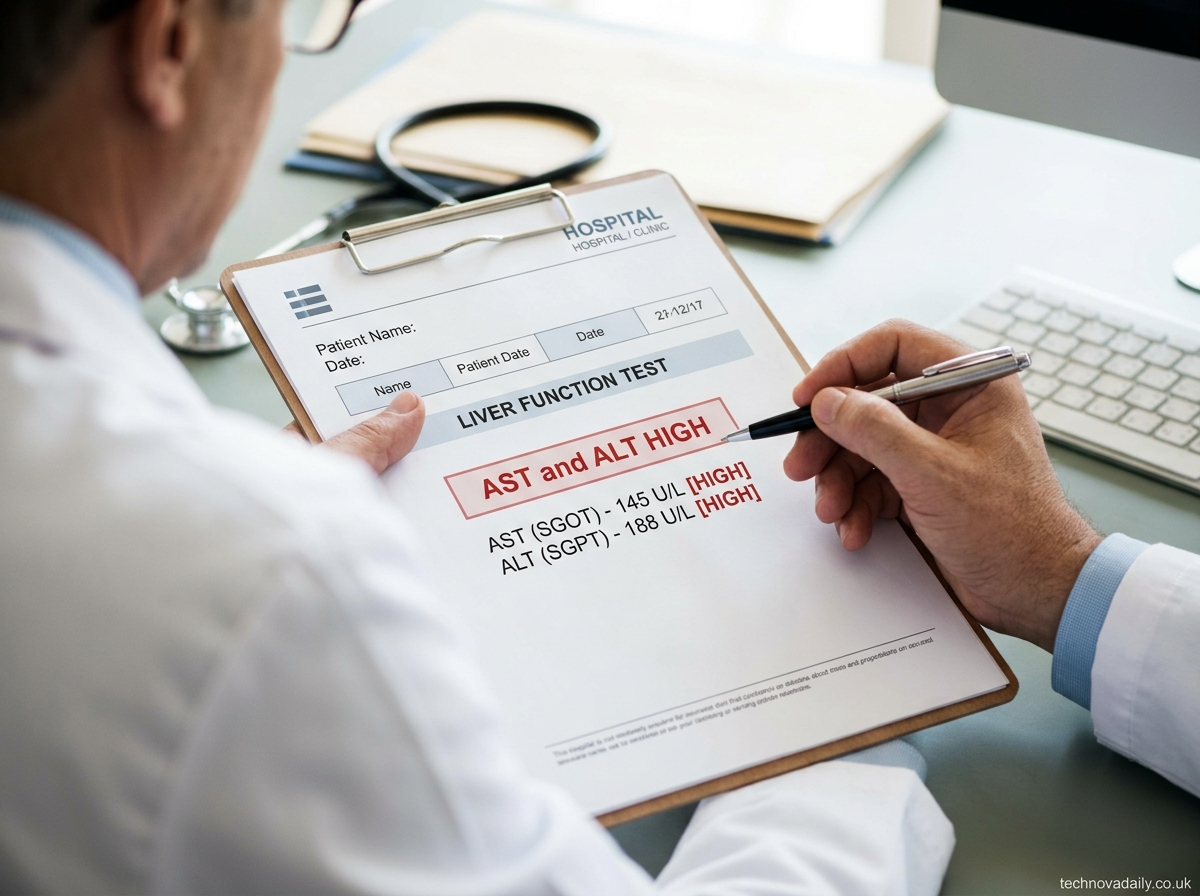
High AST and ALT levels on a blood test can be a sign of liver cell injury. These enzymes are often checked when doctors assess liver health, investigate symptoms, or monitor an existing condition. An abnormal result does not always mean that someone has a serious liver disease. Medicines, supplements, infections, and intense exercise can also affect these levels.
Understanding what AST and ALT measure can help you make sense of your report. The next step depends on how high the results are, whether other blood tests are abnormal, and your medical history. This guide explains the common causes, possible symptoms, tests, and steps doctors may recommend when AST and ALT are high.
What Does It Mean When AST and ALT Are High?
AST stands for aspartate aminotransferase, while ALT stands for alanine aminotransferase. Both are enzymes that help the body carry out normal chemical processes. AST is found in the liver, heart, and muscles, while ALT is found mainly in the liver.
When cells are damaged, these enzymes can enter the bloodstream, causing their measured levels to rise. High ALT often points toward liver cell injury, while high AST may come from the liver or another tissue. Doctors consider both results along with other tests before deciding what may be causing the change.
High AST and ALT do not automatically mean that the liver has stopped working properly. These tests mainly help identify possible cell injury. Other blood markers, such as bilirubin, albumin, and prothrombin time, can provide more information about how well the liver is performing its other jobs.
What Are the Normal AST and ALT Levels?
Normal AST and ALT ranges depend on the laboratory, the testing method, and certain personal factors. Some laboratories list an AST reference range around 8–33 units per liter (U/L), while ALT ranges may be around 4–36 U/L. These are examples, not universal limits, so always check the reference range printed on your own report.
A result slightly above the laboratory’s upper limit may be described as a mild elevation. Higher results can require a faster or more detailed assessment, depending on the amount of elevation and the person’s symptoms. There is no single AST or ALT number that explains every person’s condition.
Doctors also look at whether the result is new, whether it remains high on repeat testing, and how it compares with earlier results. A mildly raised enzyme level that settles may have a different explanation from a very high result that develops suddenly. The numbers should always be interpreted in context rather than used alone to diagnose a disease.
What Causes High AST and ALT Levels?
Fatty liver disease is one possible cause of raised liver enzymes. It is often associated with excess body weight, type 2 diabetes, high blood fats, or other metabolic factors. Alcohol-related liver injury and viral infections such as hepatitis A, B, or C can also raise AST and ALT.
Medicines and supplements may affect liver enzymes, too. Certain pain medicines, prescription drugs, herbal products, and bodybuilding supplements can cause liver injury in some circumstances. Never assume that a product is safe for the liver just because it is sold without a prescription. Tell your healthcare professional about everything you take, including vitamins and herbal remedies.
AST may rise after intense exercise, muscle injury, or other conditions that affect muscle tissue. Less common causes include autoimmune liver disease, iron overload, reduced blood flow to the liver, and other medical conditions. Because many different problems can produce similar results, a clinician may need additional tests to identify the cause.
What Are the Symptoms of High AST and ALT?
Many people with raised AST and ALT have no noticeable symptoms. An abnormal result may appear during routine blood testing, even when the person feels well. This can happen in some cases of fatty liver disease and other liver conditions, which is why a person should not rely on symptoms alone to judge liver health.
When symptoms do occur, they may include tiredness, weakness, nausea, reduced appetite, or discomfort in the upper right side of the abdomen. Some people develop itching, swelling in the legs or abdomen, dark urine, or unusually pale stools. These symptoms are not specific to one disease, so medical assessment is needed to find their cause.
Yellowing of the skin or eyes, known as jaundice, needs prompt medical attention. Seek urgent care if you develop confusion, unusual sleepiness, severe abdominal pain, repeated vomiting, or jaundice with worsening symptoms. These signs can point to a serious problem that should not wait for a routine appointment.
Is High AST and ALT Dangerous?
The risk depends on the cause, the degree of elevation, other test results, and the person’s overall condition. A small increase may be temporary, but it still deserves follow-up when the cause is unclear or the levels remain high. A very large increase can occur with acute liver injury and needs prompt medical evaluation.
The enzyme numbers alone cannot show how much lasting damage has occurred or how well the liver is functioning. For example, someone may have high enzymes without severe loss of liver function, while another person with advanced chronic liver disease may not have extremely high enzyme levels. This is why doctors assess the complete picture rather than one result.
If your report shows a marked increase, contact a healthcare professional promptly for advice. If you also have jaundice, confusion, severe pain, or other serious symptoms, seek urgent care. Do not wait for a repeat blood test if you feel seriously unwell.
What Is the Difference Between AST and ALT?
ALT is found mainly in liver cells, making it more closely linked to liver injury. AST is present in several tissues, including skeletal muscle and heart muscle. As a result, a raised AST level can sometimes reflect a problem outside the liver, especially when ALT and other liver markers do not show the same pattern.
Doctors may compare the AST-to-ALT ratio to help narrow down possible causes. For example, AST being higher than ALT can occur in alcohol-related liver disease, but it can also occur in other conditions. A ratio by itself cannot confirm alcohol-related injury or any other diagnosis.
The relationship between these enzymes is only one part of the assessment. Doctors also consider bilirubin, alkaline phosphatase (ALP), gamma-glutamyl transferase (GGT), medical history, symptoms, and other findings. These details help determine whether the results point toward liver cell injury, a bile duct problem, a muscle-related cause, or another condition.
How Do Doctors Find the Cause of High AST and ALT?
The assessment usually begins with a review of your blood test results, symptoms, medical history, and medicines. Your doctor may ask about alcohol use, recent illness, intense workouts, supplements, diabetes, body weight, and possible exposure to hepatitis. These details can help identify likely causes and guide the next tests.
Additional blood tests may include repeat AST and ALT measurements, bilirubin, ALP, GGT, albumin, and tests that assess blood clotting. Depending on your history and results, a doctor may recommend tests for viral hepatitis, iron overload, autoimmune conditions, or other causes. Not everyone needs every test; the choice depends on the clinical findings.
An ultrasound or other imaging test may be recommended if fatty liver disease, a bile duct problem, or another structural issue is suspected. Some people need a specialist assessment, particularly when enzyme levels remain raised or other results are concerning. A diagnosis should be based on the full assessment, not on AST and ALT alone.
How Can You Lower High AST and ALT Levels?
The right way to lower AST and ALT is to treat the reason they are high. If a medicine is suspected of causing liver injury, a healthcare professional can review whether it should be changed or stopped. Do not stop prescribed medicines or change your dose without medical advice, because doing so may create other health risks.
If fatty liver disease is involved, your clinician may recommend gradual weight loss when appropriate, regular physical activity, balanced meals, and better control of blood sugar and cholesterol. Avoid crash diets and unproven liver detox products. These products do not reliably treat the cause of raised enzymes and may sometimes harm the liver.
Avoid alcohol while you are being assessed for unexplained elevated liver enzymes, and ask your doctor when it is safe to resume, if appropriate. If a recent intense workout may have affected your results, your clinician can advise whether a period of rest and repeat testing is suitable. Follow-up blood tests help show whether the levels are improving and whether more investigation is needed.
When Should You See a Doctor for High AST and ALT?
Arrange a medical appointment if your blood test shows AST or ALT above the laboratory’s reference range, particularly if the results remain abnormal or you have risk factors for liver disease. Bring your report and a list of medicines, vitamins, herbal products, and supplements. This information can help your clinician decide what to check next.
Seek urgent medical attention if you develop yellow skin or eyes, severe or worsening abdominal pain, confusion, unusual drowsiness, or repeated vomiting. If you suspect an overdose of a medicine such as acetaminophen (paracetamol), seek emergency or poison-control advice immediately, even if you feel well. Some forms of liver injury may not cause early symptoms.
Do not panic over a single abnormal result, but do not ignore it either. A doctor can explain how your results compare with the laboratory range, whether repeat testing is needed, and which causes are most likely in your situation.
Conclusion
High AST and ALT levels can occur for several reasons, including fatty liver disease, hepatitis, certain medicines, alcohol-related liver injury, and muscle damage. The results do not always indicate a serious condition, but they should be reviewed to find the cause.
The best next step is to discuss your blood test with a healthcare professional. Your symptoms, medical history, other laboratory results, and enzyme levels together can help guide the assessment. With the right diagnosis and care, many causes of raised liver enzymes can be managed, and follow-up testing can help track progress.
Frequently Asked Questions About High AST and ALT
1. What does it mean if AST and ALT are both high?
It means that cells may be releasing more of these enzymes into the bloodstream than usual. Liver cell injury is one possible reason, but medicines, infections, and other conditions can also cause an increase. Further assessment is needed to identify the cause.
2. Can high AST and ALT return to normal?
Yes, they can return to the normal range when the cause is temporary or successfully treated. The time needed depends on the underlying problem. Some conditions require ongoing treatment and monitoring.
3. Can fatty liver cause high AST and ALT?
Yes. Fatty liver disease can raise one or both enzymes, although some people with fatty liver have normal results. Doctors may consider metabolic risk factors, blood tests, and imaging when assessing this condition.
4. Can stress cause high AST and ALT?
Everyday emotional stress is not usually a direct explanation for raised liver enzymes. However, factors associated with long-term stress, such as changes in eating habits, alcohol use, sleep, or metabolic health, may affect overall health. Other possible causes should still be assessed.
5. Can exercise raise AST and ALT levels?
Yes. Intense exercise and muscle injury can raise AST and sometimes ALT. Tell your doctor if you completed a hard workout before the blood test. They can decide whether repeat testing after a suitable rest period is appropriate.
6. What foods should I avoid when AST and ALT are high?
There is no single food that everyone with raised enzymes must avoid. A balanced diet with vegetables, fruit, whole grains, and suitable protein sources may support overall liver health. Limiting sugary drinks and highly processed foods can help some people, particularly those with fatty liver disease. Avoid alcohol while the cause is being assessed.
7. How long does it take for AST and ALT to go down?
It depends on the cause and the severity of the injury. Temporary increases may improve over days or weeks, while chronic liver conditions may take longer to manage. Your doctor can recommend an appropriate time for repeat testing.
8. Is AST higher than ALT a sign of liver disease?
It can occur with liver disease, including alcohol-related liver injury, but it does not confirm a diagnosis. AST may also rise because of muscle injury or other conditions. Doctors interpret the ratio alongside other blood tests and medical history.
9. Can high AST and ALT occur without symptoms?
Yes. Many people have no symptoms, especially when enzyme elevations are mild. An abnormal blood test can sometimes be the first sign that further assessment is needed.
10. What AST and ALT levels require urgent medical attention?
There is no single number that determines urgency for everyone. Very high results need prompt medical assessment, especially when they develop suddenly. Jaundice, confusion, severe abdominal pain, unusual drowsiness, or repeated vomiting are reasons to seek urgent care regardless of the enzyme numbers.
