



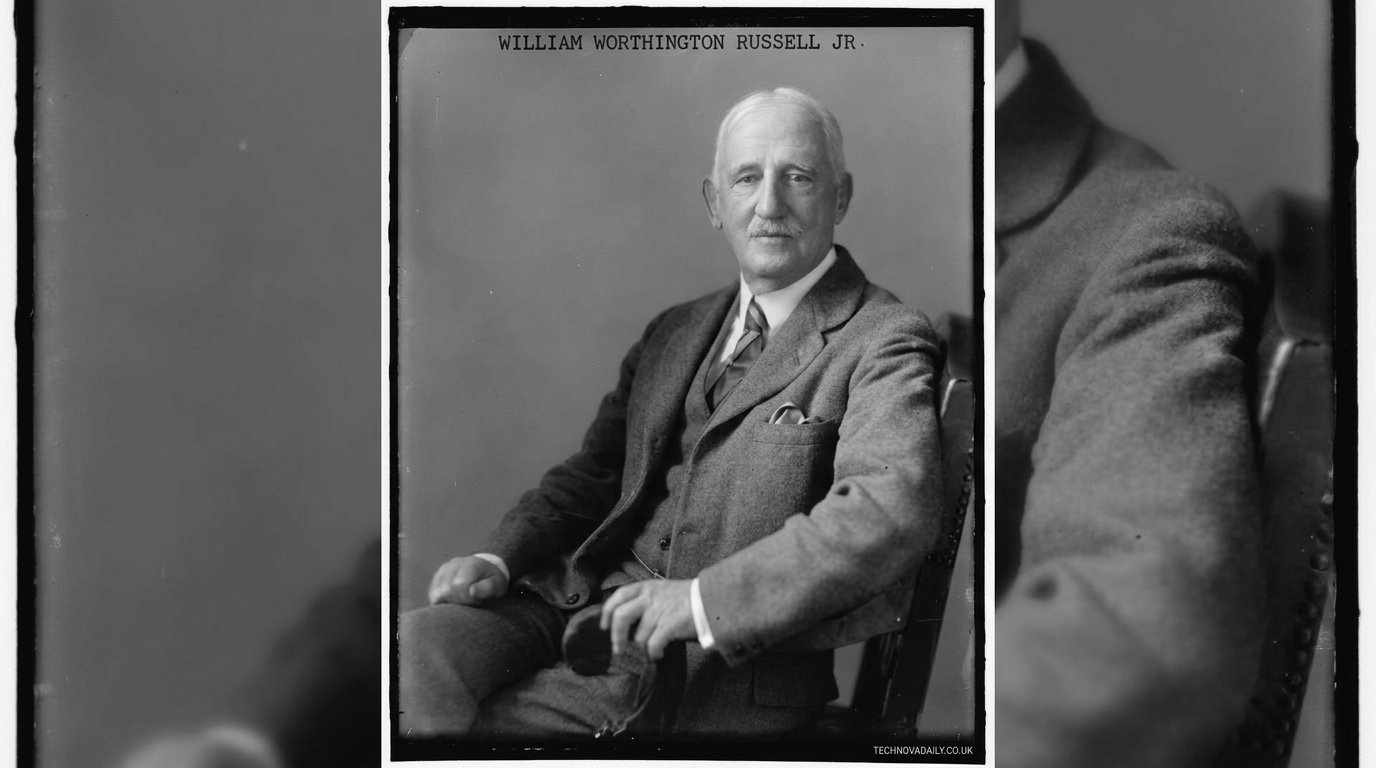
William Worthington Russell Jr. was an accomplished American diplomat whose long career helped shape the United States’ diplomatic relationships during the late nineteenth and early twentieth centuries. Serving under multiple U.S. presidents, Russell represented American interests in several countries, including Colombia, Venezuela, the Dominican Republic, and Siam (modern-day Thailand). His dedication to diplomacy, international cooperation, and public service made him one of the respected figures in the U.S. Foreign Service.
Although William Worthington Russell Jr. is not as widely recognized as many political leaders of his era, historians acknowledge his contributions to American diplomacy. His career reflects a period when the United States was expanding its global influence through diplomacy rather than military power alone. Today, his life offers valuable insight into the evolution of American foreign policy and the responsibilities of career diplomats.
Early Life and Family Background
William Worthington Russell Jr. was born on January 12, 1858, into a family with strong public service traditions. Growing up during a transformative period in American history, he witnessed the nation’s recovery after the Civil War and the rapid modernization that followed. These experiences helped shape his understanding of government, leadership, and international affairs.
Russell received a quality education that prepared him for a career in public service. Like many diplomats of his generation, he developed strong communication skills, an understanding of international politics, and a deep appreciation for diplomacy. His academic foundation and personal discipline later became valuable assets as he represented the United States in several important diplomatic posts.
Beginning a Distinguished Diplomatic Career
William Worthington Russell Jr. entered the United States diplomatic service during an era when international relations were becoming increasingly significant. His professionalism, reliability, and ability to work with foreign governments earned him respect from both American officials and international leaders.
Throughout his early assignments, Russell demonstrated remarkable adaptability. Every diplomatic mission required understanding local customs, political systems, and cultural traditions. His calm approach and diplomatic skills helped establish positive relationships between the United States and the nations where he served, laying the foundation for a successful career in foreign affairs.
Diplomatic Service Across Multiple Countries
One of the defining aspects of William Worthington Russell Jr.’s career was the variety of diplomatic positions he held. He served as the United States Minister to Colombia, Venezuela, the Dominican Republic, and Siam. Each assignment presented unique political and economic challenges that required careful negotiation and thoughtful leadership.
His diplomatic responsibilities included protecting American citizens abroad, strengthening trade relations, communicating U.S. foreign policy, and maintaining stable relationships with host governments. During a period of changing global politics, Russell’s experience and judgment proved valuable in promoting peaceful cooperation and mutual understanding.
Service in Siam and International Influence
Among William Worthington Russell Jr.’s most notable appointments was his service as the United States Minister to Siam, now known as Thailand. At the time, Siam was modernizing rapidly while maintaining its independence amid growing European colonial influence across Southeast Asia.
Russell played an important role in strengthening diplomatic communication between the United States and Siam. His work encouraged goodwill, supported commercial interests, and reinforced mutual respect between the two nations. His diplomatic efforts reflected America’s growing engagement with Asia during the early twentieth century and demonstrated the importance of respectful international partnerships.
Leadership During a Changing Political Era
William Worthington Russell Jr. served during a period marked by significant political transformation. The United States was expanding its international presence while adapting to new global economic and diplomatic realities. Russell’s assignments often required balancing American interests with respect for the sovereignty of foreign nations.
His ability to remain professional despite political changes in both the United States and host countries earned him a reputation as a dependable career diplomat. Rather than seeking public attention, Russell focused on careful negotiation, effective communication, and long-term diplomatic stability, qualities that remain essential in modern diplomacy.
Contributions to American Foreign Policy
Although William Worthington Russell Jr. was not responsible for creating national foreign policy, he played a critical role in implementing it. Diplomats like Russell acted as the official representatives of the United States overseas, translating government objectives into practical diplomatic relationships.
His work helped strengthen international cooperation during an era of expanding global trade and political change. Russell’s reports, negotiations, and diplomatic correspondence provided valuable information that influenced decision-making in Washington. His contributions illustrate how experienced diplomats support peaceful international relations through consistent engagement and careful diplomacy.
Legacy and Historical Significance
William Worthington Russell Jr.’s legacy is closely connected with the development of the professional American diplomatic service. His decades of international experience demonstrate the importance of skilled diplomats in maintaining peaceful relations between nations. While he may not be widely remembered by the general public, scholars recognize his contributions to early American diplomacy.
His career also reflects the growing professionalism of the United States Foreign Service during the late nineteenth and early twentieth centuries. Russell represented the values of integrity, diplomacy, and public service, helping establish standards that later generations of American diplomats would continue to uphold.
Why William Worthington Russell Jr. Still Matters Today
Modern diplomacy continues to rely on many of the same principles that guided William Worthington Russell Jr.’s career. Respectful communication, cultural understanding, negotiation, and international cooperation remain fundamental to resolving global challenges. His work reminds us that successful diplomacy often happens quietly through patience, preparation, and mutual respect.
As historians examine the evolution of American foreign relations, Russell’s service provides valuable insight into how the United States built lasting diplomatic partnerships around the world. His career demonstrates that dedicated public servants can influence international relationships even without becoming widely known historical figures.
Conclusion
William Worthington Russell Jr. devoted his professional life to representing the United States with honor, integrity, and diplomatic skill. From his early years in public service to his appointments in Colombia, Venezuela, the Dominican Republic, and Siam, he consistently worked to strengthen international relationships during a period of significant global change.
Although history often highlights presidents and political leaders, diplomats like William Worthington Russell Jr. played an equally important role behind the scenes. His commitment to peaceful diplomacy, international cooperation, and effective communication continues to reflect the enduring value of professional diplomacy in shaping constructive relationships between nations.
Frequently Asked Questions
Who was William Worthington Russell Jr.?
William Worthington Russell Jr. (1858–1944) was an American diplomat who served as a U.S. minister to several countries, including Colombia, Venezuela, the Dominican Republic, and Siam (Thailand).
What is William Worthington Russell Jr. known for?
He is best known for his distinguished diplomatic career representing the United States in important international assignments during the late nineteenth and early twentieth centuries.
Which countries did William Worthington Russell Jr. serve in?
He served in Colombia, Venezuela, the Dominican Republic, and Siam, where he represented American political and diplomatic interests.
Why was his diplomatic career important?
His work helped strengthen U.S. foreign relations, encouraged peaceful cooperation, supported international trade, and promoted effective communication between governments.
When did William Worthington Russell Jr. live?
William Worthington Russell Jr. was born on January 12, 1858, and passed away on February 4, 1944, leaving behind a respected legacy in American diplomatic history.
