



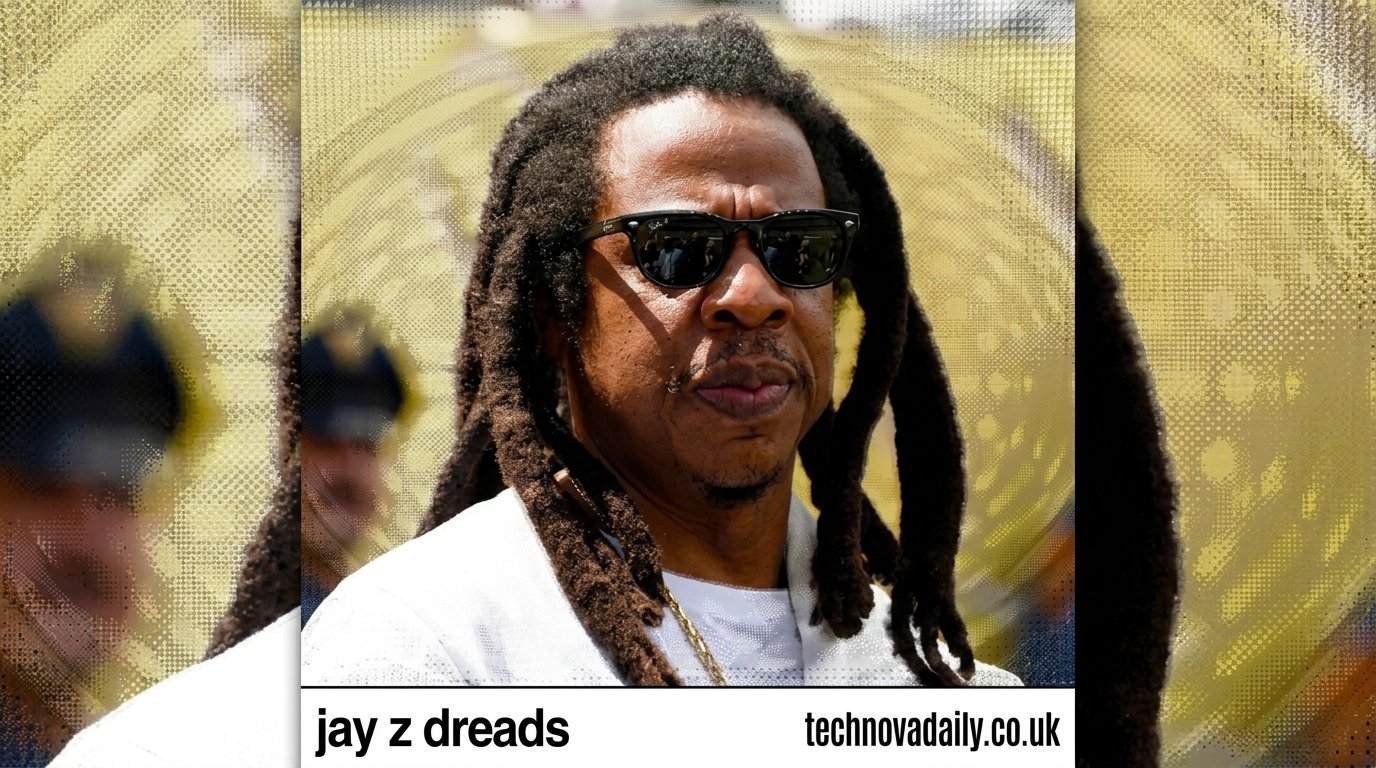
For most of his career, Jay-Z was known for a clean, low-cut fade — sharp, business-like, and rarely changing. Then, in 2018, he did something fans didn’t expect: he let his hair grow. What followed was an eight-year loc journey that became one of the most talked-about transformations in hip-hop, and one that recently took a surprising turn.
Here’s everything you need to know about Jay-Z’s dreads — how they started, what they meant, and why he cut them off in 2026.
Did Jay-Z Actually Have Dreadlocks?
Yes. Jay-Z began growing freeform locs in 2018, after spending nearly his entire career with a short, tapered haircut or a low afro during album recording periods. Unlike a styled or maintained loc system, his were freeform — meaning no parting, no retwisting schedule, and no combing. The hair was simply left to mat and lock on its own over time.
By the early 2020s, his locs had grown long and thick, becoming as recognizable as his signature low cut once was.
Why Did Jay-Z Grow His Dreads?
He’s given a public reason twice, and both point to the same idea: personal freedom rather than a fashion trend.
In a radio interview, Jay-Z described the growth as part of a writing ritual — something he does while working on new material, letting his appearance shift alongside the creative process.
A more personal reason surfaced later. In a 2026 Father’s Day film released through Cécred, Beyoncé’s haircare brand, Beyoncé explained that Jay-Z grew his hair out in part to connect with their daughter, Blue Ivy. By wearing his natural hair texture visibly and without alteration, he wanted to show her that their hair was alike — and that it didn’t need to be changed to be beautiful. For a family constantly in the public eye, it read as a quiet statement about embracing natural Black hair.
Jay-Z’s Dreads Through the Years
Pre-2018: The Low Cut Era For nearly two decades, Jay-Z’s public image was defined by a tight, tapered haircut. During recording periods, he’d sometimes let it grow into a short afro, but it never went past that stage.
2018–2019: The Starting Phase His hair began forming into short, thick sections. At this stage, the twists hadn’t matted fully — it read more as an overgrown afro than actual locs.
2019–2021: Semi-Freeform Locs The sections matured into visible dreadlocks, with the ends beginning to “cong” (thicken and mat) while the roots remained looser.
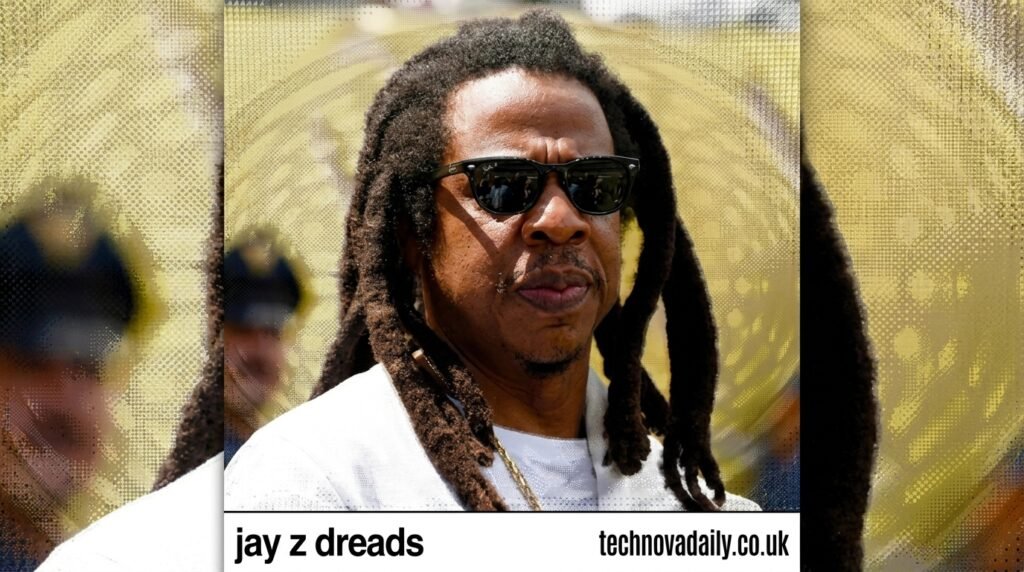
2021–2025: Full Freeform Locs By this point, Jay-Z had roughly 10 to 20 thick, rope-like locs across his head — noticeably fewer and thicker than typical freeform styles, which usually involve dozens of thinner sections. The style had also visibly densified compared to its looser early appearance, a natural part of how freeform locs mature.
May 2026: The Big Chop After eight years of growth, Jay-Z appeared at the Roots Picnic in Philadelphia with a full afro instead of his locs. Beyoncé later shared a short documentary detailing the moment he combed them out, closing the chapter that had defined his look since 2018.
How to Get the Freeform Dreadlock Look
If you’re inspired by the style Jay-Z wore for nearly a decade, here’s what actually goes into it.
Who it works best for Freeform locs suit naturally coily or kinky hair textures (typically type 4 hair), since this texture locks and mats more easily without manual manipulation. Looser curl patterns can still lock, but the process takes longer and is less predictable.
Starting the process
- Let your hair grow out from a short cut into at least a 2–3 inch afro.
- Skip combing, brushing, or product buildup — this is what allows the hair to begin matting naturally.
- Wash normally, but avoid conditioners that leave heavy residue, since slip can slow the locking process.
- Expect the early “budding” stage to look messy before it starts forming defined sections — this is normal and can take several months.
Barber vs. DIY Freeform locs are one of the few loc styles that genuinely don’t require a stylist, since the entire point is minimal intervention. That said, an occasional check-in with a loctician can help you spot and separate any locs that fuse together if you’d rather they stay distinct.
Styling Variations to Consider
- Short freeform locs — lower maintenance, works well if you’re not ready to commit to years of growth
- Long freeform locs (Jay-Z’s signature look) — takes years to develop but creates the thick, rope-like texture he became known for
- Tied-back or half-up styles — useful once locs pass shoulder length, keeping them out of the face for work or formal settings
Maintenance Tips for Long-Term Locs
- Washing: Every 1–2 weeks is typical for freeform locs. Washing too often can slow locking in the early stages; not washing enough can lead to buildup and odor.
- Products: Stick to lightweight, residue-free options. Heavy oils and butters can attract lint and slow the maturation process.
- Sleep care: A satin or silk cap or pillowcase reduces friction and frizz, especially once locs pass the shoulder.
- Patience: Freeform locs typically take 1–2 years to reach a mature, uniform look, and several more to reach significant length. There’s no shortcut — the “no manipulation” rule is what makes them freeform in the first place.
Frequently Asked Questions
Does Jay-Z still have dreads in 2026? No. After eight years of growing freeform locs, Jay-Z cut them off in May 2026 and now wears a full afro, as shown during his appearance at the Roots Picnic and in a documentary released by Beyoncé’s haircare brand, Cécred.
How long did it take Jay-Z to grow his dreads? He grew them for eight years, starting in 2018 and cutting them off in 2026.
Why did Jay-Z grow his hair out? He’s cited two reasons: continuing a personal ritual of growing his hair while writing new music, and — as revealed later by Beyoncé — wanting to show his daughter Blue Ivy that their hair textures matched, to help her embrace her natural hair.
What type of dreadlocks did Jay-Z have? Freeform locs — an unstyled method where hair is allowed to mat naturally without parting, twisting, or combing.
Can anyone get Jay-Z’s dreadlock style? Freeform locs work best on naturally coily or kinky hair, which locks more easily without manipulation. Other textures can still freeform, though the process takes longer.
Conclusion
Jay-Z’s dreads were never just a hairstyle — they tracked eight years of his life, from a private ritual tied to songwriting to a public message about embracing natural Black hair with his daughter. Now that he’s cut them off, the look has become part of hip-hop’s style history rather than his current image.
That said, the style itself hasn’t gone anywhere. Freeform locs remain one of the lowest-maintenance, most personal ways to wear naturally coily or kinky hair, and the eight-year journey Jay-Z documented is proof of how much a look can evolve when it’s left alone to grow. If you’re thinking about starting your own freeform locs, the best next step is a consultation with a loctician who can assess your hair type and walk you through what the first few months will actually look like — messy phase included.
Whether you came here for the story or the style guide, the takeaway is the same: freeform locs reward patience, and the result is entirely your own.
