



Introduction
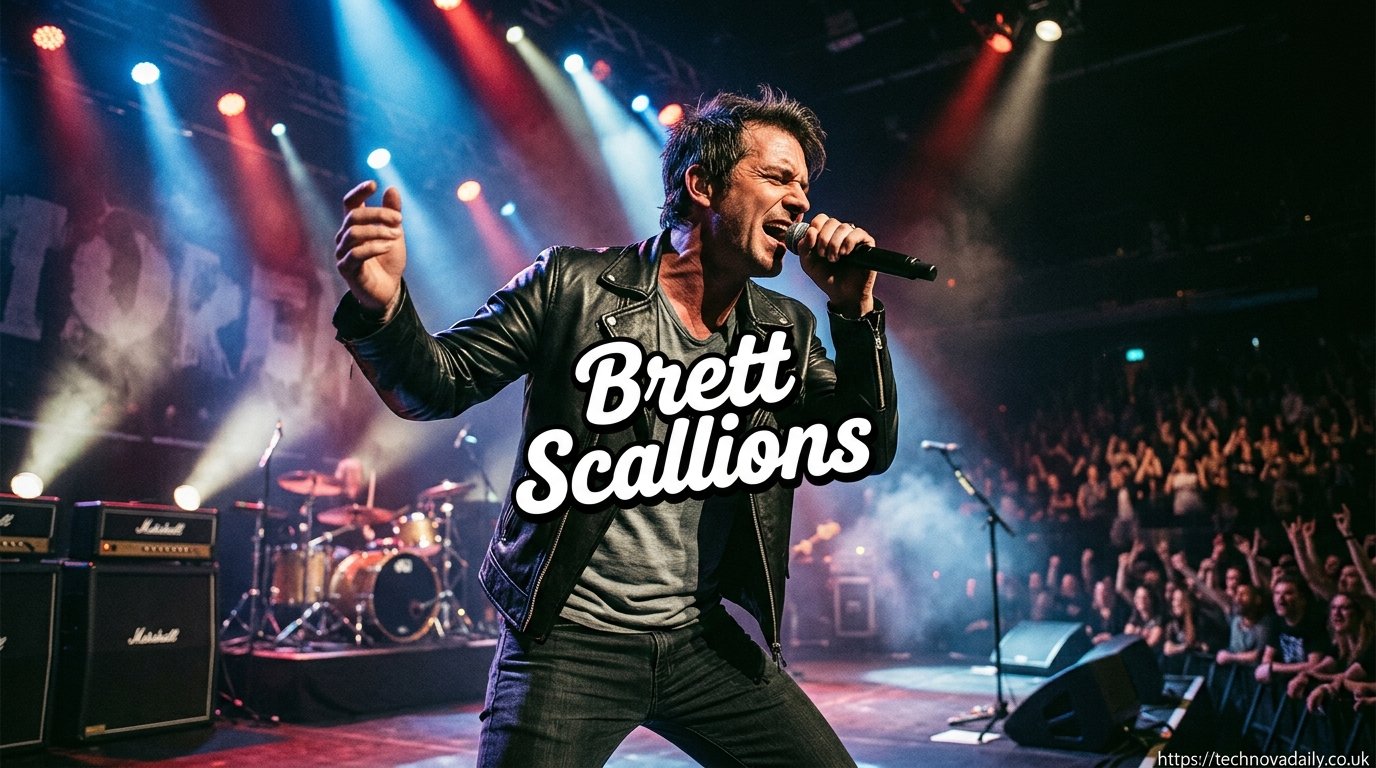
Brett Scallions is an American rock singer, songwriter, and multi-instrumentalist best known as the original lead vocalist and rhythm guitarist of the alternative rock band Fuel. Emerging during the rise of post-grunge in the 1990s, he became one of the defining voices of early 2000s rock radio with emotionally charged hits like “Shimmer” and “Hemorrhage (In My Hands).” His voice helped shape Fuel’s identity and contributed to the band’s global success, including multi-platinum albums and widespread touring.
Beyond Fuel, Scallions has built a career marked by reinvention, side projects, collaborations with legendary musicians, and multiple returns to the band that made him famous. His journey reflects the volatility of the rock industry as well as the resilience required to remain relevant across decades of changing musical trends. His story is not only about fame but also about persistence, adaptation, and artistic identity in modern rock music.
Early Life and Musical Influences in Tennessee
Brett Allen Scallions was born on December 21, 1971, in Brownsville, Tennessee, a small town that contributed to his grounded personality and musical foundation. Growing up in a culturally rich southern environment exposed him to a variety of sounds, including classic rock, blues traditions, and early country influences. These genres later shaped his vocal tone and emotional delivery style.
As a child, Scallions developed a fascination with Elvis Presley, whose music inspired him to pursue performance as more than just a hobby. He also participated in church choirs and school theater, where he learned early stage discipline and vocal projection. These experiences were crucial in building the confidence required for his later career as a frontman in a globally recognized rock band.
During his teenage years, he continued refining his musical identity, combining natural vocal ability with theatrical performance skills. This early artistic development helped him transition smoothly into the professional music world, where emotional authenticity and stage presence would become essential to his success.
Formation of Fuel and the Birth of a Post-Grunge Sound
Fuel was formed in the late 1980s and early 1990s, eventually solidifying its lineup with Brett Scallions as lead vocalist, Carl Bell as guitarist and principal songwriter, Jeff Abercrombie on bass, and Kevin Miller on drums. The band originally developed in Tennessee before relocating to Pennsylvania, where they immersed themselves in the local club scene and refined their sound through constant live performances.
Their early independent work, including the EP Porcelain, helped them gain attention in regional music circles. However, it was their breakout single “Shimmer” that truly introduced them to national audiences. The song’s atmospheric tone and melodic structure captured the emotional style of post-grunge while maintaining commercial appeal, allowing Fuel to stand out during a competitive era of rock music.
Their debut album Sunburn established their presence in the mainstream rock world, combining raw guitar energy with emotionally reflective lyrics. Scallions’ voice became a defining element of this sound, blending vulnerability with intensity in a way that resonated deeply with listeners.
Breakthrough Success with Something Like Human
Fuel’s rise to mainstream fame reached its peak with the release of Something Like Human in 2000, an album that became a defining moment in early 2000s alternative rock. The record featured the iconic single “Hemorrhage (In My Hands),” which became one of the band’s most successful and enduring songs.
The emotional depth of “Hemorrhage” showcased Scallions’ vocal range and expressive delivery, turning the track into a staple of rock radio. The album achieved double platinum status, confirming Fuel’s position among the leading rock acts of the era. Its success also helped the band tour internationally and expand its audience significantly.
This period marked the height of Scallions’ mainstream recognition. His voice became closely associated with the emotional identity of post-grunge music, and Fuel’s songs were frequently featured in films, television, and radio playlists across multiple countries.
Touring Years, Fame, and Industry Pressure
Following the success of Something Like Human, Fuel entered an intense period of touring and public exposure. The band performed extensively across the United States and internationally, building a strong live reputation. Their concerts were known for emotional intensity and strong audience connection, largely driven by Scallions’ commanding stage presence.
However, increased fame also brought internal and creative pressures. The music industry at the time was shifting, and many post-grunge bands faced challenges maintaining momentum. Fuel was no exception, as internal disagreements and artistic differences began to emerge within the group.
Despite these challenges, Scallions remained central to the band’s identity. His vocal performance continued to anchor Fuel’s live shows and recordings, even as tensions within the group grew more visible. This period ultimately set the stage for major changes in his career trajectory.
Departure from Fuel and Creative Transition
In 2006, Brett Scallions officially left Fuel after more than a decade as the band’s frontman. His departure marked the end of a significant chapter in alternative rock history. At the time, Fuel had already released multiple successful albums, including Sunburn, Something Like Human, and Natural Selection, establishing a strong legacy in the post-grunge movement.
Scallions later explained that creative differences and shifting dynamics within the band influenced his decision to step away. Following his exit, Fuel continued with a new vocalist, but the original sound associated with Scallions remained deeply tied to fans’ perception of the band.
His departure did not signal the end of his musical journey. Instead, it opened the door for exploration, collaboration, and experimentation with different rock styles and musical identities.
Side Projects and Collaboration with Rock Legends
After leaving Fuel, Scallions expanded his artistic reach through several projects that highlighted his versatility. One of the most notable was World Fire Brigade, a collaboration with Sean Danielsen of Smile Empty Soul and producer Eddie Wohl. This project leaned into a heavier and darker rock sound, allowing Scallions to explore new vocal textures and creative directions.
He also joined Riders on the Storm, a project featuring surviving members of The Doors, including Robby Krieger and Ray Manzarek. This collaboration connected him to one of rock’s most legendary legacies and demonstrated his ability to adapt his voice to different musical eras and styles.
These experiences strengthened his reputation as a flexible and experienced musician, capable of moving beyond a single band identity and contributing meaningfully to diverse musical environments.
Return to Fuel and the Puppet Strings Era
In 2010, Scallions returned to Fuel, reuniting with the band in a new phase of its existence. His return revitalized interest in the group and reconnected fans with the original voice that had defined their early success. This reunion led to renewed touring activity and new creative output.
The release of Puppet Strings in 2014 marked a significant milestone in this second chapter. The album featured Scallions not only as vocalist but also in a more involved creative role, contributing to production and songwriting. Tracks from the album reflected themes of reflection, maturity, and emotional evolution.
This era demonstrated that Fuel’s identity was still strongly linked to Scallions’ presence, and his return helped stabilize the band’s direction during a period of rebuilding and rediscovery.
Musical Style, Vocal Identity, and Influence
Brett Scallions is widely recognized for his distinctive vocal style, characterized by emotional intensity, tonal clarity, and dynamic range. His voice became a defining element of Fuel’s sound, particularly in songs that balanced soft emotional passages with powerful rock choruses.
His influences span classic rock, blues, and post-grunge traditions, which contributed to his ability to deliver both melodic sensitivity and aggressive energy. Over time, his voice matured, gaining a deeper and more textured quality that enhanced his later recordings.
Scallions’ influence can be heard in many modern rock vocalists who prioritize emotional storytelling and authenticity. His work during the peak of post-grunge continues to be referenced as part of the genre’s defining era.
Legacy, Continuing Career, and Impact on Rock Music
Brett Scallions remains an important figure in alternative rock history due to his role in shaping Fuel’s most successful years. His contribution to multi-platinum albums and iconic singles has secured his place in the legacy of early 2000s rock music.
Even after lineup changes and industry shifts, Scallions has maintained an active presence in music through touring, collaborations, and new projects. His career demonstrates resilience in an industry known for rapid change and evolving trends.
Today, he is remembered not only as the voice behind “Hemorrhage (In My Hands)” but also as a musician who continuously adapted while maintaining his artistic identity. His influence remains present in rock music culture, particularly among fans of post-grunge and alternative rock.
Conclusion
Brett Scallions’ journey reflects the evolution of a dedicated rock artist navigating fame, change, and creative exploration. From his early days in Tennessee to international success with Fuel and later collaborations with legendary musicians, his career demonstrates both artistic depth and professional resilience.
His voice helped define a generation of alternative rock, while his continued work across different projects shows a commitment to growth and reinvention. Whether through Fuel’s iconic catalog or his broader musical collaborations, Scallions remains a significant and enduring presence in modern rock history.
