



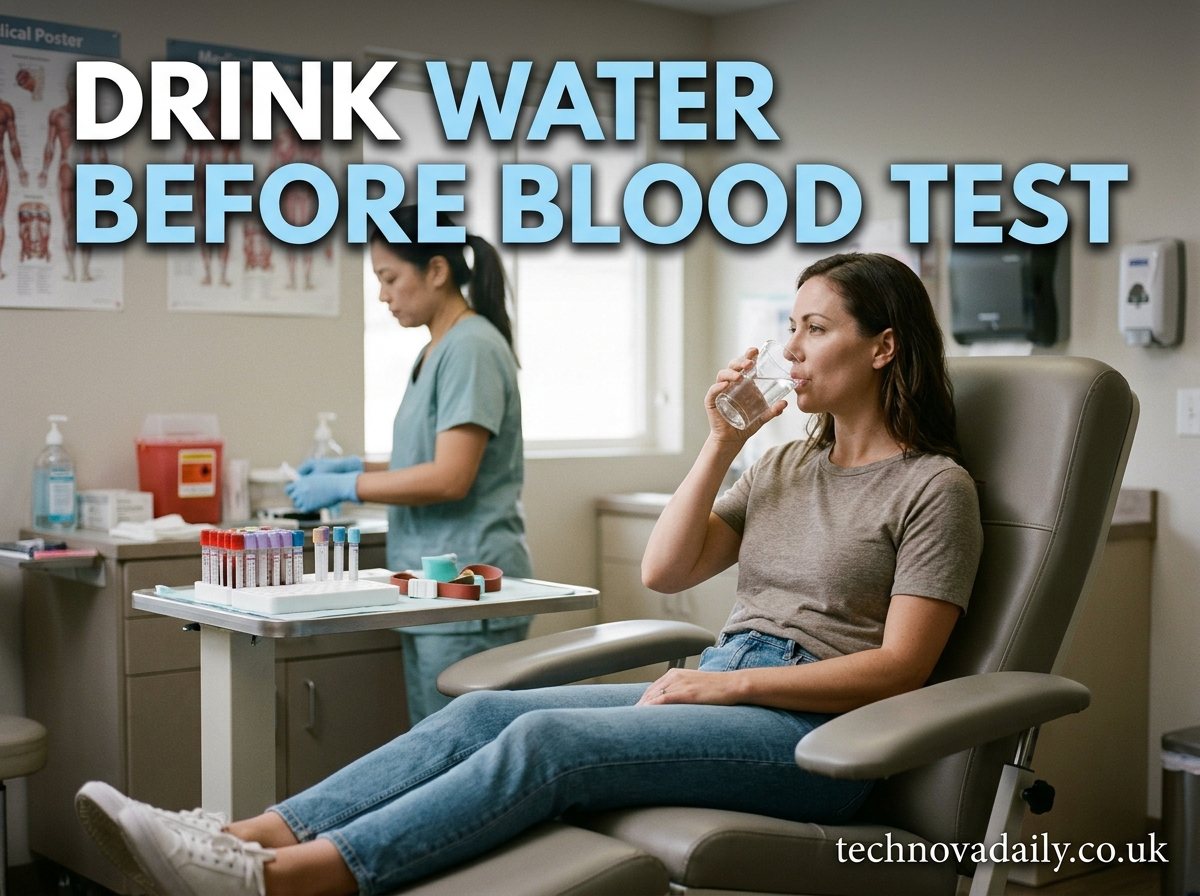
If you are wondering whether you can drink water before a blood test, the answer is usually yes. Plain water is generally allowed before most blood tests, including tests that require fasting. Drinking water can help you stay hydrated and may make it easier for a healthcare professional to draw blood. However, some tests have special preparation rules, so always follow the instructions provided by your doctor or laboratory.
Can You Drink Water Before a Blood Test?
Yes, you can usually drink plain water before a blood test. This remains true for many tests that require you to fast for several hours. Unlike food, juice, or sugary drinks, plain water does not normally interfere with the results of routine blood tests.
Drinking water before your appointment may also help prevent dehydration. When you are well hydrated, your veins may be easier to locate, which can make the blood collection process easier. You do not need to force yourself to drink large amounts of water. Drinking your usual amount is generally enough.
However, not every medical test follows the same preparation rules. If your doctor or laboratory has given you specific instructions about drinking fluids, follow those instructions. When you are unsure, contact the laboratory before your appointment.
Why Is Drinking Water Allowed Before a Blood Test?
Plain water contains no sugar, fat, or protein that would normally affect fasting blood test results. For this reason, healthcare professionals generally allow water during the fasting period for tests that require it. Staying hydrated also helps your body maintain its normal fluid balance.
Another reason to drink water is that dehydration can sometimes make it harder to collect a blood sample. When you drink enough water, your veins may be easier for the person collecting your blood to find. This can be helpful if your veins are difficult to locate.
Water does not make every blood test more accurate, and drinking extra water cannot correct every problem with a blood sample. The main goal is to remain normally hydrated while following the preparation instructions for your specific test.
Can You Drink Water Before a Fasting Blood Test?
Yes, plain water is generally allowed before a fasting blood test. Fasting usually means avoiding food and drinks other than plain water for a set period. Many fasting blood tests require around 8 to 12 hours without food, although the exact time depends on the test and your healthcare provider’s instructions.
Common examples include fasting blood glucose tests and some lipid profile tests. These tests measure substances in your blood that may change after you eat or drink certain beverages. Following the fasting instructions helps your healthcare professional interpret your results correctly.
During the fasting period, avoid coffee, tea, milk, juice, soda, and other drinks unless your healthcare provider specifically permits them. Even black coffee may be prohibited. If you accidentally consume something other than plain water, tell the laboratory staff before the blood sample is collected. They can decide whether the test can proceed or should be rescheduled.
How Much Water Can You Drink Before a Blood Test?
For most routine blood tests, you can drink a normal amount of plain water before your appointment. There is no single amount that everyone must drink. Your usual hydration needs, the weather, your activity level, and any medical restrictions can affect how much water is suitable for you.
You do not need to drink several glasses of water all at once before your blood draw. Drinking excessive amounts in a short time can be harmful because it may lower the sodium level in your blood. Drink normally and avoid forcing yourself to consume more water than you need.
If you have been told to limit fluids because of a heart, kidney, or another medical condition, ask your healthcare provider how much water you can drink before the test. Your individual medical instructions should take priority over general advice.
What Can You Drink Before a Blood Test?
Plain water is generally the safest choice when you are preparing for a fasting blood test. Other beverages may contain sugar, calories, caffeine, or other ingredients that can interfere with the preparation requirements.
Coffee and tea are usually not permitted during a fast, even if you drink them without sugar or milk. Juice, soft drinks, energy drinks, and milk should also be avoided during the fasting period unless your clinician gives different instructions. Lemon water and flavored water are best avoided as well because added ingredients may not be allowed.
If your blood test does not require fasting, you may be able to eat and drink normally. However, some tests have other restrictions. Check your laboratory’s instructions rather than assuming that every drink is acceptable before every type of blood test.
Which Blood Tests Require Fasting?
Not every blood test requires you to fast. Whether fasting is needed depends on the substance being measured and the reason the test was ordered. Your doctor or laboratory should tell you if you need to avoid food before your appointment.
A fasting blood glucose test is one common example. It measures blood sugar after you have gone without food for the required period. Some cholesterol tests, also called lipid panels, may require fasting, although fasting is not necessary for every lipid test.
A basic metabolic panel or other blood chemistry test may also require fasting in certain situations. Some liver and kidney-related tests have specific preparation requirements depending on which tests are included in the order. If you have been asked to fast, confirm how long you should do so and whether plain water is allowed. Do not fast unnecessarily when your test does not require it.
What Happens If You Drink Water Before a Blood Test?
In most cases, drinking plain water before a blood test will not cause a problem. If you drank water during a fasting period, you can generally continue with your appointment as instructed. Normal water intake is usually compatible with fasting blood work.
The situation may be different if you drank coffee, juice, milk, or another beverage that was not allowed. These drinks can affect some test results, depending on their ingredients and the test being performed. Let the laboratory staff know what you consumed and when you drank it.
Do not cancel your appointment automatically because you made a mistake. The laboratory or healthcare professional can determine whether your test can still be performed or whether another appointment would provide more reliable results. Giving accurate information helps them make the right decision.
Can You Take Medicines Before a Blood Test?
Whether you can take medicine before a blood test depends on the medicine and the test. Many prescribed medicines can be taken as usual, but some may need special timing or instructions when a fasting test is planned.
Do not stop taking prescribed medicine or change your dose on your own. This is particularly important for medicines used to manage diabetes, because fasting and medication timing may affect blood sugar levels. Ask your healthcare provider how to manage your medicines before the appointment.
Tell your healthcare professional about any vitamins, herbal products, and supplements you use. Some supplements can affect particular laboratory measurements. If a medicine normally needs to be taken with food, ask for advice before fasting rather than skipping the dose without guidance.
Tips to Prepare for a Blood Test
Start by checking whether your test requires fasting. If it does, follow the exact instructions about how long to avoid food and which drinks are allowed. For many fasting tests, plain water is permitted, but your laboratory’s instructions should guide your preparation.
Stay normally hydrated unless you have been told to restrict fluids. Avoid unapproved drinks during a fast, and ask your healthcare provider about medicines or supplements that might affect your results. If you are uncertain about any instruction, contact the laboratory before your appointment.
After the blood sample has been collected, you can usually return to your normal eating and drinking routine unless you have been given other instructions. If you have fasted for several hours, bringing a snack for afterward may be helpful, especially if you sometimes feel light-headed after blood collection.
Frequently Asked Questions
Can I drink water before a blood test in the morning?
Yes, plain water is generally allowed before a morning blood test, including many fasting tests. Follow any specific instructions from your healthcare provider or laboratory.
Does drinking water affect blood test results?
Normal amounts of plain water usually do not affect routine fasting blood test results. Other drinks, such as juice or coffee, may affect certain measurements or break your fast.
Can I drink warm water before a blood test?
Warm plain water is generally acceptable for most routine blood tests. Avoid adding lemon, honey, sugar, or other ingredients if you have been instructed to fast.
Can I drink lemon water before a blood test?
It is best to avoid lemon water during a fasting period. Lemon water contains ingredients beyond plain water, so stick to plain water unless your healthcare provider says otherwise.
Can I drink water before a cholesterol test?
Plain water is generally allowed before a cholesterol test. Some lipid tests require fasting, while others do not, so follow the instructions for your particular test.
What if I accidentally drink coffee before a fasting blood test?
Tell the laboratory staff before your sample is collected. Depending on the test and the amount you drank, they may proceed or recommend rescheduling it.
Should I drink extra water to make my veins easier to find?
You can drink your usual amount of water to stay hydrated. Normal hydration may help make veins easier to locate, but drinking excessive amounts is unnecessary and can be harmful.
Can I eat immediately after a fasting blood test?
You can usually eat after the blood sample has been collected. If you have another test or procedure scheduled, check whether additional instructions apply.
Conclusion
Drinking water before a blood test is generally safe and is usually allowed, even when you need to fast. Plain water helps maintain hydration and may make blood collection easier. However, coffee, tea, juice, and other beverages may not be permitted during a fasting period.
Before your appointment, check the instructions for your specific test, follow the recommended fasting time, and ask about medicines if you are unsure. If you accidentally eat or drink something that was not allowed, tell the laboratory staff rather than guessing whether your results will be affected.
