

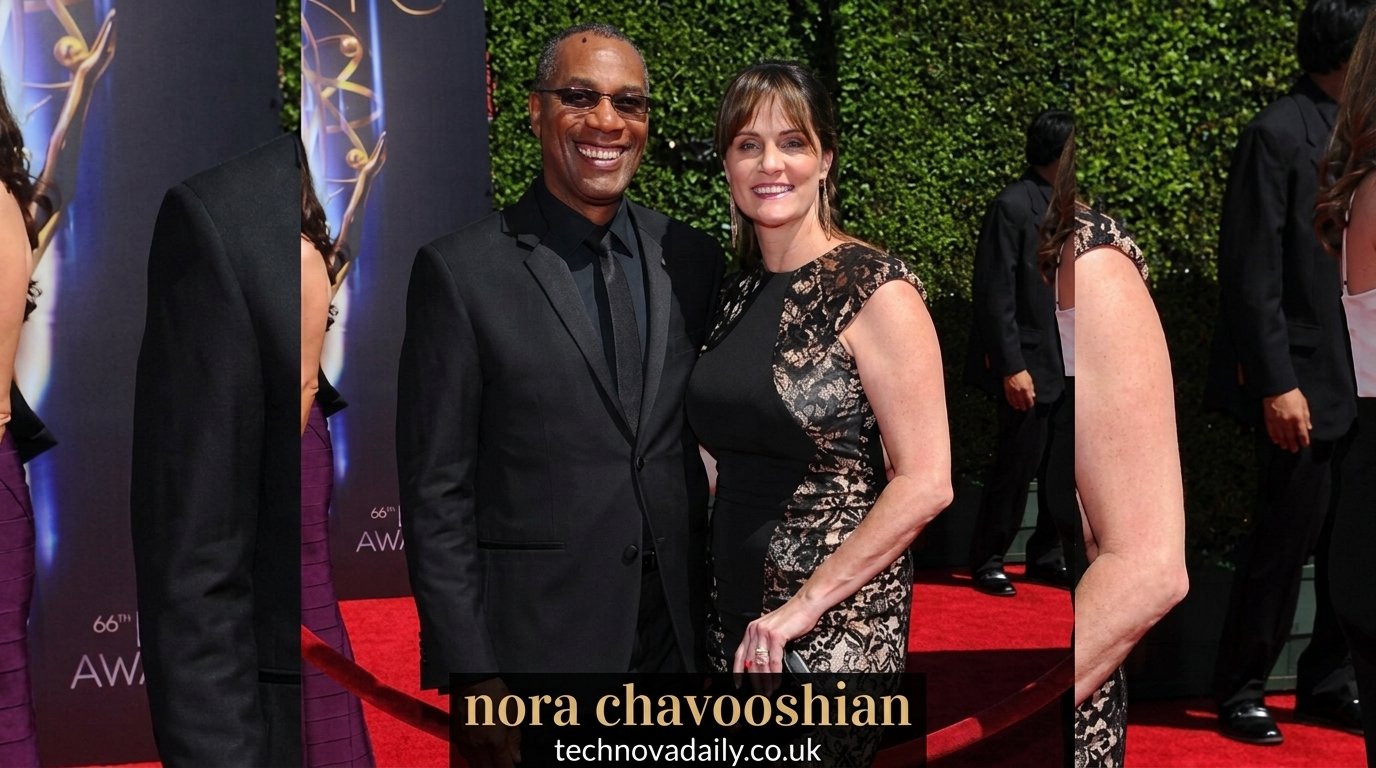
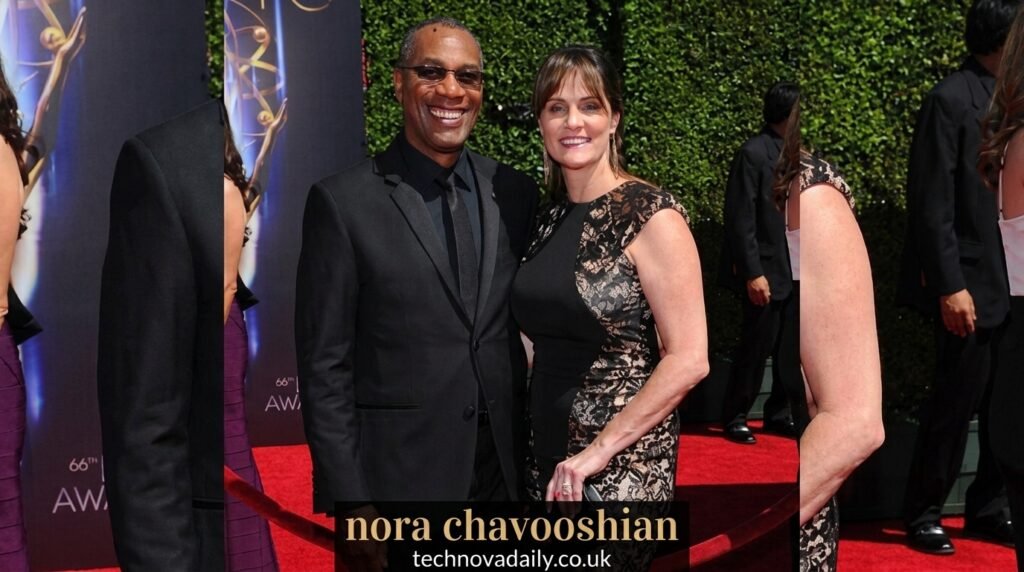
Nora Chavooshian is an American sculptor and former Hollywood production designer, known for bronze and mixed-media sculptures that explore cracked, textured surfaces, and for film work on titles like After Hours, The Beastmaster, and Eight Men Out. Born in Philadelphia in 1953, she now works out of the East Coast, where her sculpture practice examines Armenian identity, women’s labor, and the space between what is hidden and what is revealed.
Her career is unusual because it runs in two directions at once. Most artists pick a lane. Nora Chavooshian spent two decades building sets for major directors before turning, full-time, to the sculpture she’d trained in from the start. This piece traces both halves of that story.
Early Life and Training
Chavooshian was born on October 25, 1953, in Philadelphia, Pennsylvania. She studied sculpture formally at two respected institutions: the Pennsylvania Academy of the Fine Arts and the San Francisco Art Institute, where she graduated in 1974.
After finishing her studies, she moved to Los Angeles — a decision that would pull her, at least for a while, away from gallery walls and onto film sets.
Career in Film and Stage Design
Before her film work began, Chavooshian built a reputation as a stage designer, earning early recognition for her sculptural approach to set pieces. That reputation carried over into film.
Her production design and art department credits include:
- The Beastmaster (1982)
- After Hours (1985), directed by Martin Scorsese
- Eight Men Out (1988), directed by John Sayles
- Reckless (1984), as set decorator
She worked repeatedly with director John Sayles and contributed sculptural set pieces for Martin Scorsese. Her design work also extended into music, with credits on videos for Bruce Springsteen and Madonna.
The scale of her film work went well beyond dressing a room. She designed and engineered full period environments — turn-of-the-century city streets and vintage baseball stadiums among them — projects that called on the same structural thinking she’d later bring back to sculpture.
Transition to Full-Time Sculpture
By the early 1990s, Chavooshian made a deliberate shift: she left the West Coast for the East Coast and turned her full attention back to sculpture. It wasn’t a retirement from set design so much as a return to the discipline she’d trained in first, now informed by two decades of large-scale construction and material problem-solving from film.
Artistic Themes and Style
Chavooshian’s sculptural work centers on a recurring visual idea: the crack. Her pieces often pair rough, broken surfaces against smooth, sometimes anatomical finishes, using materials like bronze and cast forton.
In her own words, her work involves the tension between what is hidden and what is revealed in the cracked surfaces of her sculptures — treating those fractures as places where something buried can start to surface, whether that’s a hidden narrative or literal light passing through the material. Many pieces also draw on geological forms, set against elements that are clearly human-made, building a quiet conversation between natural process and human intention.
Armenian Heritage and the “Women’s Work” Series
One of Chavooshian’s more personal bodies of work engages her Armenian heritage directly. Her exhibition Women’s Work — Sculpture & Trama Textiles, shown at Denise Bibro Fine Art in Chelsea, New York, paired her sculpture with a textile collaboration involving Mayan women weavers.
The exhibition examined how women preserve cultural identity under pressure — including the weight of historical atrocity, with the Armenian Genocide of 1915 as a direct point of reference. Chavooshian has described her sculptures as visual metaphors for personal identity, and framed the exhibition around a broader idea: that the labor and resilience of women, across very different cultures, tend to rhyme with each other.
Exhibitions and Collections
Chavooshian’s sculpture has appeared in galleries and institutions across the United States, including:
- Denise Bibro Fine Art, New York City — four major solo exhibitions
- Trenton City Museum, New Jersey
- Monmouth Museum, New Jersey
- Salem State College, Massachusetts
- The Los Angeles Women’s Building, California
Beyond gallery shows, she has completed public commissions, including a bronze sculpture for the Essex County Brookdale Park playground and an outdoor piece for the University of Minnesota Arboretum’s State of Art Bee Research and Discovery Center — a project where she worked with a beekeeper to fold honeycomb structures directly into the bronze form.
Her work sits in both private and public collections across the United States and Europe.
Recognition and Legacy
Among her honors, Chavooshian received a California Art Council Grant, which funded her curation of a show highlighting San Francisco women artists at the Los Angeles Women’s Building. That early curatorial work reflects a thread that runs through her later sculpture: an ongoing interest in how women’s creative labor gets seen, or overlooked.
Today, her pieces circulate through galleries and art marketplaces, with some available for direct sale and others offered through rental subscription platforms for collectors who want to live with a piece before committing to it.
Where Film and Sculpture Meet
What ties Chavooshian’s two careers together isn’t subject matter — a Reagan-era fantasy film and a bronze sculpture about the Armenian Genocide don’t share much on the surface. What connects them is method: an eye for structure, texture, and how a physical object can carry a story without needing a caption. Set design trained her to build environments people could believe in. Sculpture lets her build objects people have to sit with.
Conclusion
Nora Chavooshian’s career doesn’t fit a single label. She trained as a sculptor, spent two decades building sets for some of the most respected directors in film, then walked back to sculpture with a sharper sense of scale and structure than most artists ever develop. Her bronze and cast forton pieces now carry the weight of that full arc — Armenian heritage, women’s labor, and the fracture between what’s hidden and what’s shown, all worked into physical form. Whether you found her through a film credit or a gallery listing, the throughline is the same: an artist who builds things people have to look at twice.
Frequently Asked Question
Who is Nora Chavooshian? Nora Chavooshian is an American sculptor and former Hollywood production designer, born in Philadelphia in 1953. She is known for bronze and cast forton sculptures exploring cracked surfaces and Armenian identity, as well as production design work on films including After Hours, The Beastmaster, and Eight Men Out.
What films did Nora Chavooshian work on? Her film and art department credits include The Beastmaster (1982), Reckless (1984), After Hours (1985), and Eight Men Out (1988). She also worked on music videos for Bruce Springsteen and Madonna.
What materials does Nora Chavooshian use in her sculpture? She primarily works in bronze and cast forton, often finishing pieces with patinas that mimic aged or oxidized metal, paired with cracked or textured surfaces set against smoother, polished sections.
Where has Nora Chavooshian exhibited her work? She has shown at Denise Bibro Fine Art in New York City, the Trenton City Museum, Monmouth Museum, Salem State College, and the Los Angeles Women’s Building, with public commissions at Essex County’s Brookdale Park and the University of Minnesota Arboretum.
What themes appear most in Nora Chavooshian’s sculpture? Recurring themes include the tension between hidden and revealed surfaces, Armenian heritage and the legacy of the 1915 genocide, women’s labor and cultural preservation, and the relationship between geological forms and human-made structures.
