



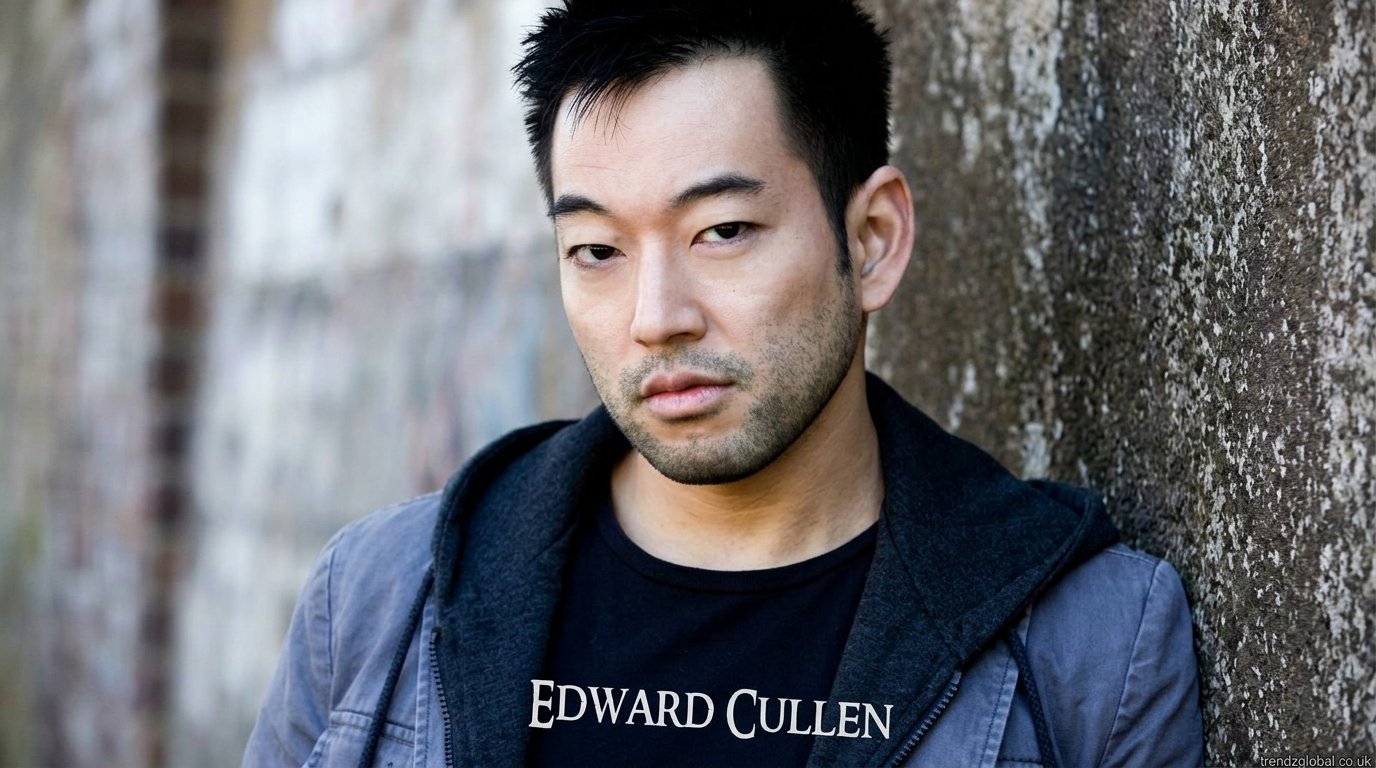
Daisuke Tsuji has steadily built a respected career in Hollywood through his versatile acting, voice performances, and motion-capture work. Best known for portraying Jin Sakai in the critically acclaimed video game Ghost of Tsushima, Tsuji has earned praise for bringing emotional depth and authenticity to every role he takes. His career spans television, film, theater, and gaming, making him one of the most recognizable Japanese-American performers working today.
From dramatic television appearances to blockbuster video games, Daisuke Tsuji continues to prove that talent, dedication, and cultural authenticity can leave a lasting impression on audiences worldwide. This article explores his background, career journey, notable achievements, personal life, and growing influence in the entertainment industry.
Early Life and Background
Daisuke Tsuji was born in Japan before moving to the United States at a young age. Growing up between two cultures helped shape his worldview and later influenced his acting career. Living in America while maintaining strong ties to his Japanese heritage gave him a unique perspective that would become one of his greatest strengths as a performer.
His passion for storytelling developed early. Rather than pursuing a traditional career path, Tsuji dedicated himself to acting and performance. He studied theater extensively, refining his craft through stage productions and formal training. These experiences laid the foundation for a career built on authenticity, emotional expression, and professional discipline.
Beginning His Acting Career
Like many successful actors, Daisuke Tsuji started with smaller roles before gaining wider recognition. He appeared in independent productions, theater performances, and guest roles on television. Each opportunity allowed him to develop his skills while building valuable industry experience.
His commitment to realistic performances quickly attracted attention from casting directors. Instead of relying on stereotypes, Tsuji consistently portrayed complex and believable characters. This reputation opened doors to larger productions and helped establish him as a dependable actor capable of handling emotionally demanding roles.
Breakthrough with Ghost of Tsushima
Daisuke Tsuji’s career reached new heights when he portrayed Jin Sakai, the main protagonist in Ghost of Tsushima. Developed by Sucker Punch Productions, the game became one of the most celebrated PlayStation exclusives and earned international acclaim for its storytelling, visual design, and historical inspiration.
Tsuji’s contribution went far beyond voice acting. He performed motion capture and facial performance, allowing Jin Sakai to feel remarkably lifelike. His nuanced performance captured the internal conflict of a samurai forced to challenge tradition in order to protect his homeland. Critics and players praised the emotional realism he brought to the character, making Jin Sakai one of the most memorable protagonists in modern gaming.
Film and Television Appearances
Although many fans know him from Ghost of Tsushima, Daisuke Tsuji has built an impressive résumé across television and film. He has appeared in popular series including The Man in the High Castle, where he delivered a compelling dramatic performance that demonstrated his range as an actor.
His screen credits also include appearances in major productions such as Invasion, Shameless, Bones, American Horror Story, and several independent films. Whether portraying historical figures, modern professionals, or emotionally complex individuals, Tsuji consistently brings authenticity and depth to every role.
Voice Acting and Motion Capture Excellence
Voice acting has become an increasingly important part of Daisuke Tsuji’s career. His expressive vocal performances, combined with his physical acting abilities, make him especially valuable in today’s entertainment industry, where performance capture technology plays a growing role.
Motion capture requires actors to communicate emotion through body language, facial expressions, and voice simultaneously. Tsuji has mastered this demanding art form, allowing digital characters to feel genuinely human. His work has demonstrated that video game performances deserve the same artistic recognition as traditional film and television acting.
Acting Style and Professional Reputation
One of Daisuke Tsuji’s defining qualities is his natural, understated acting style. Rather than relying on exaggerated expressions, he focuses on subtle emotional shifts that make his characters believable and relatable. His performances often emphasize quiet strength, resilience, and emotional honesty.
Within the entertainment industry, Tsuji has earned a reputation for professionalism and preparation. Directors and fellow performers frequently value actors who approach every role with respect and dedication, and his consistent body of work reflects those qualities. His thoughtful approach has helped him build a long-lasting and respected career.
Representation and Cultural Impact
As a Japanese-American actor, Daisuke Tsuji has contributed to greater representation of Asian performers in mainstream entertainment. His success demonstrates the growing demand for authentic storytelling and culturally respectful casting across Hollywood and the gaming industry.
His portrayal of Jin Sakai became especially meaningful because it allowed audiences to experience a Japanese historical narrative performed by an actor who shares that cultural heritage. Many fans appreciated the authenticity he brought to the role, helping encourage broader conversations about diversity, inclusion, and accurate representation in entertainment.
Personal Life and Future Projects
Daisuke Tsuji generally maintains a private personal life, choosing to keep much of his family and personal relationships out of the public spotlight. Instead, he prefers to let his work speak for itself while engaging with fans through conventions, interviews, and social media in a thoughtful and respectful manner.
As his popularity continues to grow, many industry observers expect Tsuji to take on even more leading roles in film, television, and interactive entertainment. With continued advances in motion-capture technology and increasing demand for talented performers, his future appears exceptionally promising.
Conclusion
Daisuke Tsuji has become one of the most respected Japanese-American actors working across film, television, theater, and video games. His breakthrough performance as Jin Sakai in Ghost of Tsushima introduced millions of players to his remarkable talent, but his career extends far beyond a single role. Years of dedication, professional training, and consistent performances have established him as a versatile actor capable of bringing emotional authenticity to every project.
As entertainment continues to evolve, performers like Daisuke Tsuji are helping redefine what audiences expect from storytelling across multiple platforms. His commitment to authenticity, cultural representation, and artistic excellence ensures that his influence will continue growing for years to come. Whether appearing on screen or bringing digital characters to life through motion capture, Daisuke Tsuji remains an inspiring figure whose career reflects both talent and perseverance.
FAQs
What is Daisuke Tsuji best known for?
Daisuke Tsuji is best known for portraying Jin Sakai through voice acting and motion capture in the award-winning video game Ghost of Tsushima.
Is Daisuke Tsuji Japanese?
Yes. Daisuke Tsuji was born in Japan and later moved to the United States, making him a Japanese-American actor.
Has Daisuke Tsuji appeared in television shows?
Yes. He has appeared in several television series, including The Man in the High Castle, Invasion, Bones, Shameless, and American Horror Story.
Does Daisuke Tsuji perform motion capture?
Yes. He is highly regarded for his motion-capture performances, combining physical acting, facial expressions, and voice work to create realistic digital characters.
What makes Daisuke Tsuji’s acting unique?
His performances are known for emotional authenticity, subtle expression, cultural sensitivity, and strong character development, making his work memorable across both live-action and interactive media.
