



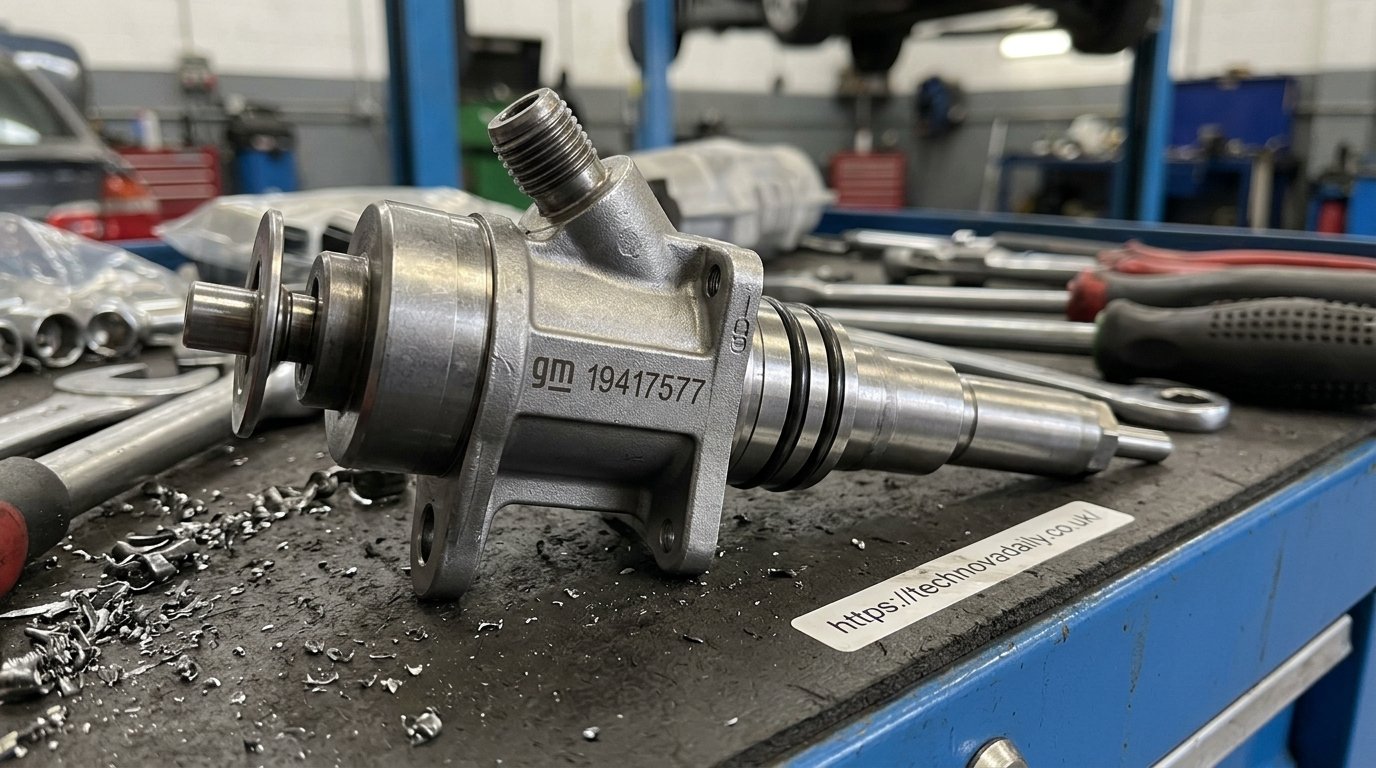
GM part number 19417577 is a genuine factory automatic transmission fluid designed for modern General Motors vehicles that require low-viscosity synthetic ATF performance. In OEM catalogs, it is officially listed as “Fluid, A/Trans Synth LV ATF Mobil 1 1QT x 6,” showing that it is manufactured under GM specification using Mobil 1 synthetic technology. This fluid is widely used in newer Cadillac, Chevrolet, and GMC vehicles that rely on advanced electronically controlled automatic transmissions for smooth shifting and fuel efficiency.
Unlike older transmission fluids that focused mainly on lubrication, GM 19417577 is engineered as a precision hydraulic medium. It plays a critical role in controlling clutch engagement, hydraulic pressure stability, and internal temperature regulation inside modern transmissions. Because of this, it is considered an essential service fluid rather than a general-purpose lubricant, making OEM accuracy extremely important for vehicle performance and long-term durability.
Engineering Background and OEM Design Purpose
The engineering purpose behind GM 19417577 is closely tied to the evolution of GM’s modern transmission systems. New-generation automatic transmissions, especially 8-speed and 10-speed units, require highly refined fluid properties to support fast shifting and electronic control systems. This fluid was developed to meet those demands by reducing internal resistance while maintaining strong hydraulic performance under pressure.
As a synthetic low-viscosity ATF, GM 19417577 is designed to flow more efficiently compared to traditional thicker transmission fluids. This allows internal transmission components to operate with less drag, improving both shifting speed and fuel economy. OEM engineering focuses heavily on balancing friction control with durability, ensuring that clutch packs engage smoothly without slipping or excessive wear.
The development of this fluid also reflects GM’s broader strategy of improving efficiency across its vehicle lineup. Modern transmissions are tuned for tighter tolerances, and even small changes in fluid behavior can significantly affect shifting quality. This is why GM validates this fluid through strict internal testing before approving it for production use in specific vehicle platforms.
Technical Composition and Synthetic Fluid Technology
GM 19417577 is based on advanced synthetic oil chemistry, typically associated with Mobil 1 low-viscosity ATF formulations. According to OEM parts listings, it is a factory-approved synthetic transmission fluid designed for long-term stability under high-temperature operating conditions. This synthetic foundation allows the fluid to resist oxidation, breakdown, and viscosity changes over time.
One of the most important characteristics of this fluid is its controlled low viscosity. Low-viscosity ATF reduces mechanical drag inside the transmission, allowing components to move more freely and efficiently. This is especially important in electronically controlled transmissions, where precise hydraulic pressure determines shift timing and smoothness.
The fluid also contains carefully balanced additive packages that enhance wear protection, anti-foaming performance, and friction stability. These additives ensure that clutch materials engage consistently without harsh shifting or vibration. Over time, this helps preserve internal transmission components such as valve bodies, seals, and clutch assemblies.
Thermal resistance is another critical part of its design. Modern GM transmissions operate under high heat loads, especially in heavy traffic or towing conditions. GM 19417577 is engineered to maintain stable performance even when exposed to elevated temperatures, helping prevent fluid degradation and maintaining consistent hydraulic response.
Vehicle Applications and Compatibility Range
GM part 19417577 is used in a wide range of modern GM vehicles equipped with advanced automatic transmissions. OEM fitment data shows compatibility with several Cadillac models including CT4, CT6, and Escalade, as well as Chevrolet performance and utility vehicles such as Camaro, Silverado, Corvette, Colorado, Tahoe, and Express vans. It is also used in GMC vehicles like Sierra, Canyon, and Yukon platforms.
This fluid is particularly important in vehicles equipped with 8-speed and 10-speed automatic transmissions. These systems rely on highly controlled hydraulic pressure and rapid electronic shifting logic, meaning the fluid must respond instantly and consistently under all driving conditions. Even slight variations in fluid specification can lead to noticeable differences in shift quality.
Compatibility is not universal across all GM vehicles, even within similar model families. Different engines and transmission codes may require different ATF specifications. This is why GM strongly emphasizes using VIN-based verification before selecting transmission fluid. A correct match ensures that the fluid aligns with factory calibration settings and hydraulic design parameters.
In real-world use, this fluid supports a broad mix of driving conditions, including urban stop-and-go traffic, highway cruising, towing, and performance driving. Its design allows it to maintain consistent hydraulic behavior regardless of operating environment, which is essential for modern adaptive transmission systems.
Importance of OEM Fluid in Modern GM Transmissions
Using OEM-approved transmission fluid like GM 19417577 is essential because modern transmissions are highly sensitive to fluid characteristics. These systems rely on precise hydraulic control, and even small differences in viscosity or friction modifiers can affect shift timing, smoothness, and long-term reliability.
GM engineers calibrate transmission control modules based on the exact performance characteristics of this fluid. That means the electronic system expects specific pressure response times and friction behavior. If a non-approved fluid is used, the transmission may begin to shift harshly, hesitate between gears, or operate inefficiently.
Another important reason for using OEM fluid is long-term durability. Transmission components such as clutch packs and valve bodies depend on stable lubrication and friction control. GM 19417577 is designed to maintain these properties over extended service intervals, helping reduce wear and extend transmission lifespan.
Warranty compliance is also a significant factor. In newer vehicles, using non-approved fluids can potentially affect warranty coverage if transmission issues occur. Dealerships and certified repair centers therefore strictly use OEM fluids to ensure compliance with manufacturer requirements and maintain repair validity.
Performance Characteristics and Driving Benefits
One of the key performance benefits of GM 19417577 is smoother gear shifting. Because the fluid is engineered for low viscosity and fast hydraulic response, it allows the transmission to engage gears more precisely. This reduces shift shock and improves overall driving comfort.
Fuel efficiency is another important benefit associated with this fluid. By reducing internal friction within the transmission, the engine does not need to work as hard to overcome mechanical resistance. This contributes to improved efficiency, especially in vehicles designed for modern fuel economy standards.
The fluid also provides strong protection under high-load conditions. Whether driving in heavy traffic, carrying loads, or operating in high temperatures, GM 19417577 maintains stable lubrication and hydraulic performance. This helps prevent overheating and reduces stress on internal transmission components.
Over time, consistent use of this OEM fluid helps preserve transmission responsiveness. Drivers may notice more predictable shifting behavior and smoother acceleration. These performance characteristics are particularly important in performance-oriented vehicles like the Chevrolet Camaro and Corvette, where transmission response directly impacts driving experience.
Maintenance Considerations and Service Practices
Transmission maintenance involving GM 19417577 requires careful attention to service procedures. Modern GM transmissions are sensitive to fluid level accuracy, temperature conditions, and filling methods. Incorrect service procedures can lead to performance issues or diagnostic trouble codes.
During service, technicians typically ensure the transmission is filled to exact specifications based on temperature-controlled procedures. Because fluid expansion changes with heat, proper fill levels must be measured under specific conditions to ensure accuracy.
Contamination control is also critical. Over time, transmission fluid naturally degrades due to heat and mechanical wear. Regular inspection helps identify signs of discoloration, odor changes, or performance decline. When fluid degradation occurs, replacement with OEM-spec fluid restores proper hydraulic behavior.
Professional technicians rely heavily on GM service manuals when performing transmission maintenance. These manuals provide detailed instructions for fluid type, fill procedures, and service intervals. Following these guidelines ensures the transmission continues to operate within factory specifications.
OEM vs Aftermarket Transmission Fluid Considerations
While aftermarket transmission fluids are widely available, they do not always match the precise engineering requirements of GM 19417577. Some aftermarket products claim compatibility, but their friction modifiers, viscosity profiles, and additive packages may differ significantly from OEM specifications.
OEM fluids are developed through extensive testing by General Motors and its engineering partners. This ensures that every fluid property aligns with transmission design requirements. Aftermarket fluids, however, are often designed to meet broader compatibility ranges, which may not perfectly match GM’s specific calibration needs.
Using incorrect fluid can lead to long-term issues such as rough shifting, clutch wear, or inconsistent hydraulic performance. In electronically controlled transmissions, even minor deviations in fluid behavior can affect how the control module interprets hydraulic signals.
For this reason, many professional repair facilities and dealerships strongly recommend OEM fluid usage whenever possible. While aftermarket options may offer lower initial cost, the long-term performance risks often outweigh potential savings, especially in modern high-precision transmissions.
Availability, Market Demand, and OEM Supply Chain
GM 19417577 is typically available through authorized dealerships, OEM parts distributors, and certified online retailers. Because it is a factory-approved service fluid, it is commonly stocked by professional repair shops and transmission specialists who work on modern GM vehicles.
Availability can fluctuate depending on regional supply chains and demand levels. Since this fluid is used across a wide range of GM models, it is frequently in demand for routine maintenance and transmission service operations.
OEM packaging is generally designed for controlled service use, often sold in quart containers suitable for drain-and-fill procedures. This ensures technicians use the correct amount of fluid for each service application, reducing waste and improving accuracy.
Pricing reflects its OEM engineering standards and validation process. While it may be more expensive than generic transmission fluids, many vehicle owners prefer it due to its reliability and compatibility assurance. This makes it a widely trusted option in professional automotive service environments.
Conclusion: Why GM 19417577 Is Essential for Transmission Health
GM part number 19417577 represents a highly engineered synthetic low-viscosity automatic transmission fluid designed specifically for modern GM vehicles. It supports critical functions such as hydraulic pressure control, smooth gear shifting, thermal stability, and long-term transmission protection.
